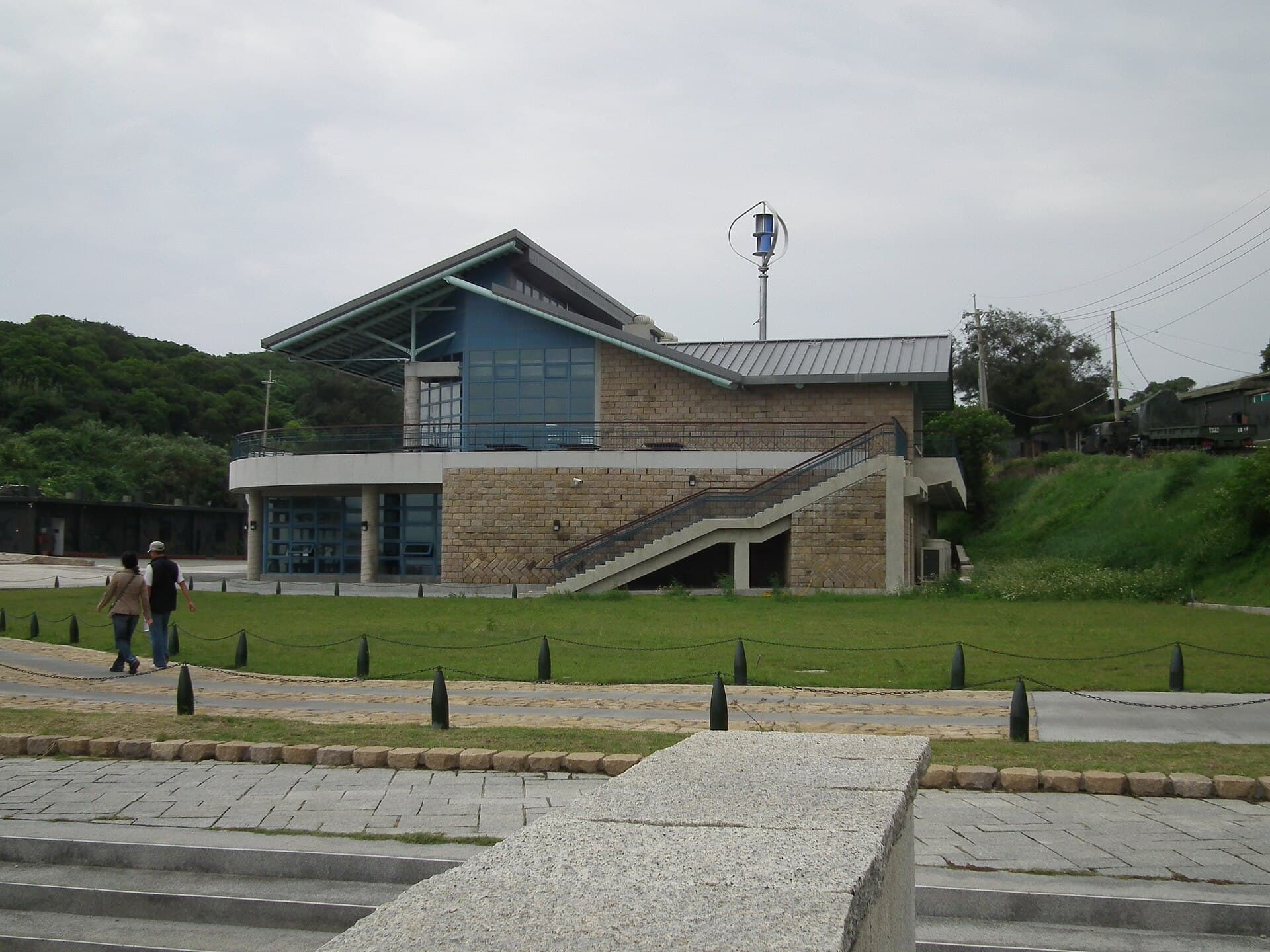
Matsu National Scenic Area
Recognizing that the archipelago possesses beautiful, winding, and diverse coastal geological landscapes, ecological resources formed by migratory birds, traditional Mindong (Eastern Fujian) settlements built according t…
Visitor Essentials
Recognizing that the archipelago possesses beautiful, winding, and diverse coastal geological landscapes, ecological resources formed by migratory birds, traditional Mindong (Eastern Fujian) settlements built according to local topography and mountain contours, and wartime facilities constructed for military defense, all of which possess significant tourism development potential, relevant government agencies partnered with local residents to actively promote the development of tourism. In March 1999, the Executive Yuan approved the Matsu Archipelago as the sixth National Scenic Area, and by the end of the same year, the Matsu National Scenic Area Administration was established. Matsu is located in the northwest of the Taiwan Strait, approximately 210 kilometers from Keelung. It comprises four townships and five islands: Nangan, Beigan, Juguang, and Dongyin, making it the northernmost territory of the Taiwan, Penghu, Kinmen, and Matsu region. The Matsu National Scenic Area encompasses four townships of Lienchiang County: Nangan, Beigan, Juguang, and Dongyin. It is divided into the Nangan-Beigan Island Area, Juguang Island Area, Dongyin Island Area, and Liangdao Island Area, as well as the coastal area within 0.5 nautical miles of each island and the continental shelf within 20 meters of water depth. The Matsu Scenic Area is primarily characterized by granite topography, with unique geological landscapes including sea-eroded formations, natural sandy and gravel beaches, sand dunes, islets and reefs, and cliff landscapes. Beigan's terrain is largely uneven, yet it is the island with the most beaches in the Matsu Archipelago, with Tanghoudao Beach and Banli Beach being the most popular. Dongyin Island features the Dongyin Lighthouse and is also one of the best fishing spots in the Matsu Archipelago. Vegetation primarily consists of low-lying shrubs and forests. Birds are mostly migratory, overwintering, and summer resident birds that come to breed, with the breeding of terns on various uninhabited islets and reefs being a particular characteristic of the region. Marine life is abundant, with fish species mainly migratory and reef-dwelling. Matsu possesses a unique wartime culture. Situated on the frontline, all wartime facilities are primarily defensive and are integrated into the daily lives of local residents. Everywhere one looks, there are authentic wartime landscapes, such as bunkers, military camps, old cannons, and tunnels, all of which hold a highly unique tourism appeal. Matsu liquor is widely renowned, coming in three main categories: yellow wine, white spirits, and medicinal liquor. Local specialties primarily include seafood, seafood by-products, and pastries, with yellow croaker and groupers being the most common seafood. The cultural resources of Matsu National Scenic Area also include the Mindong (Eastern Fujian) lifestyle, customs, and religion, as well as buildings, settlement patterns, temples, ancestral shrines, and lighthouses.
Discover the Context
No stories linked yet.
Happening at Matsu National Scenic Area
View CalendarNo upcoming events at this venue.