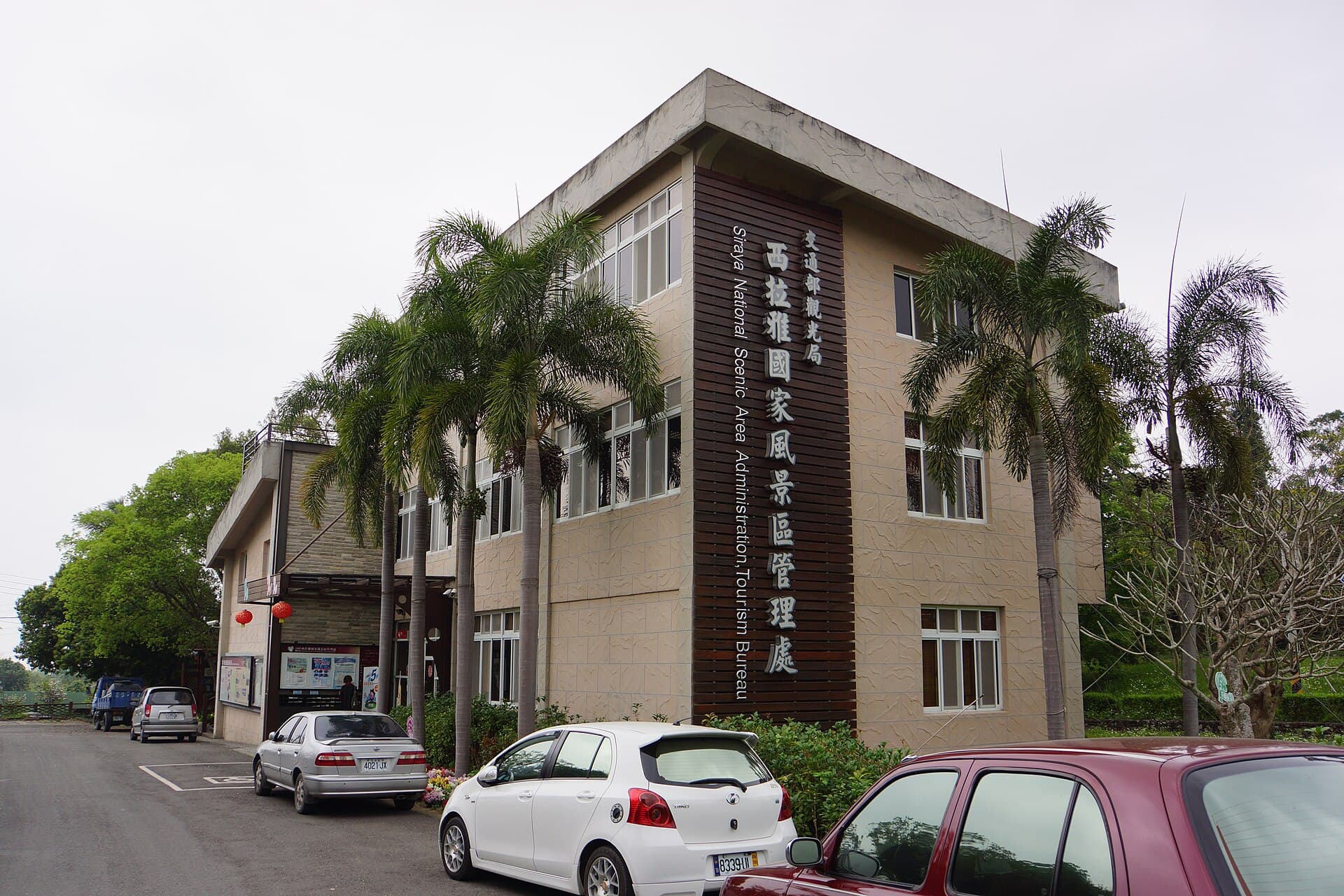
Siraya National Scenic Area
Siraya means "people" in the Siraya language. The Siraya people are indigenous inhabitants who have lived in Taiwan for thousands of years, primarily distributed across the Chianan Plain. To highlight the local character…
Visitor Essentials
Siraya means "people" in the Siraya language. The Siraya people are indigenous inhabitants who have lived in Taiwan for thousands of years, primarily distributed across the Chianan Plain. To highlight the local characteristics of Siraya culture, during its preparatory period in 2005, it was originally named the "Five Reservoirs National Scenic Area" (Tzengwen Reservoir, Wushantou Reservoir, Baihe Reservoir, Jianshanpi Reservoir, and Hutoupi Reservoir). Out of respect for the indigenous people and to preserve their culture, it was officially named the "Siraya National Scenic Area." It was established on November 26, 2005, becoming the 13th National Scenic Area under the Tourism Administration. Its responsibilities include planning, construction, and operational management within the area, enhancing recreational quality, and promoting local industries. Within the jurisdiction of the Siraya National Scenic Area Administration, there are several renowned reservoirs, making it a crucial area for water resources in southern Taiwan. The Wushantou Reservoir, upon its completion, was the world's third-largest hydraulic engineering system, becoming a significant water conservancy project within the region. Among the traditional cultures of the Siraya National Scenic Area, 'Siraya culture' is the most representative. The area has seen the continuous discovery of prehistoric cultural sites, and many descendants of the Siraya people have migrated here, preserving traditional Siraya kōkai (community halls) and the unique 'Night Ceremony' (Yajì) activities. Therefore, 'Siraya' was adopted as the name for this national scenic area.
Discover the Context
No stories linked yet.
Happening at Siraya National Scenic Area
View CalendarNo upcoming events at this venue.