Pinglin Tea Museum
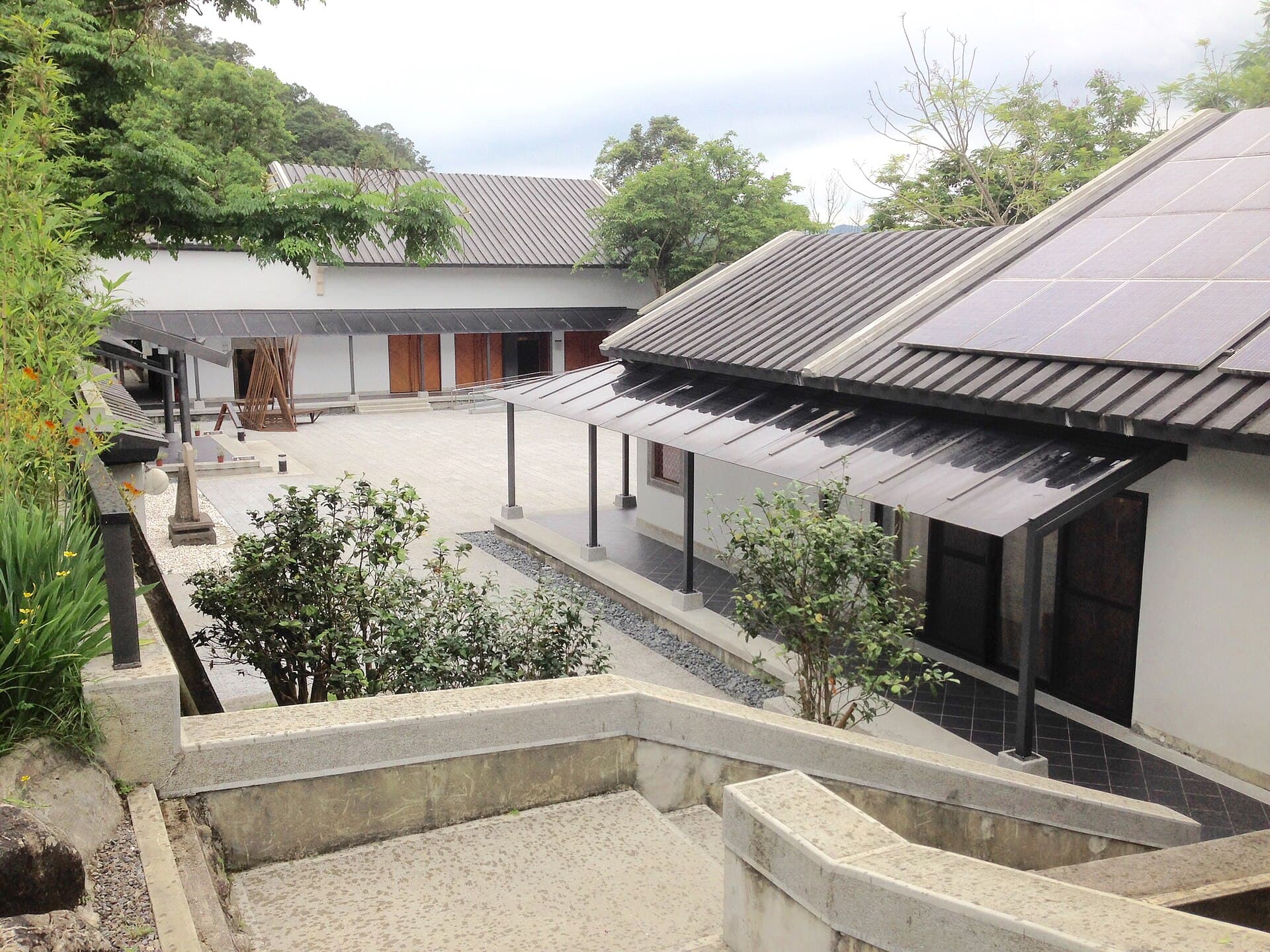
The Pinglin Tea Museum is located next to the old Pinglin Bridge in Pinglin District. It is a two-story, Southern Min-style estate building. Its architectural design largely incorporates antique elements such as long cor…
Visitor Essentials
The Pinglin Tea Museum is located next to the old Pinglin Bridge in Pinglin District. It is a two-story, Southern Min-style estate building. Its architectural design largely incorporates antique elements such as long corridors and circular gates, using bricks, tiles, and wood as building materials to create an antique and charming atmosphere. The basement level of the Tea Museum houses the comprehensive exhibition hall, featuring three main themes: tea facts, tea history, and tea art. The 'tea facts' exhibition includes modern tea-making machinery, traditional tea-making machinery, tea classification, tea production methods, introductions to various tea-producing regions in Taiwan, and tea industry regions worldwide and in mainland China, covering tea-related topics from ancient to modern times. The 'tea history' section displays the origins of tea drinking, tea throughout Chinese dynasties, an introduction to Lu Yu (the Sage of Tea), Pinglin tea history, and the development history of Wenshan Baozhong Tea, among other topics related to the tea industry's development. The 'tea art' section showcases topics such as teapot nurturing, introductions to various teapots, tea songs, tea books, and understanding tea leaves, all related to tea art. The Tea Museum also features an activity theme hall, which irregularly hosts various tea-related exhibitions and events, such as displays of contemporary master ceramic teaware, poetry, calligraphy, music, and painting. Examples include ceramic teaware exhibitions, tea-making evaluations, tea art photography, poetry recitations, introductions to different tea varieties, and various tea art aesthetic exhibitions. The overall design of the Tea Museum is a quaint garden landscape with pavilions, terraces, and towers, reminiscent of a miniature Jiangnan landscape. It also has a tea art house and Lu Yu Pavilion where visitors can sample tea. Surrounded by mountains, Pinglin District boasts beautiful scenery, clear waters, and abundant recreational resources, making it a popular destination for hiking, travel, and camping for people from the greater Taipei metropolitan area. Pinglin District is the main production area for Wenshan Baozhong Tea, and its verdant tea plantations covering the mountains are a unique feature of Pinglin's landscape. After the opening of the Beiyi Expressway, the travel time from Pinglin to downtown Taipei was shortened to 20 minutes, making it the closest place to find tea in Greater Taipei. The Wenshan Baozhong Tea production area in Pinglin spans nearly 1,000 hectares, with 80% of the township's population being tea farmers. The tea leaves produced are emerald green and tightly twisted in appearance. The tea infusion is a bright, eye-pleasing golden yellow, with a delicate and fragrant aroma. Its taste is mild, clear, and sweet, stimulating saliva production and offering an enduring aftertaste. A good natural environment, diligent tea farmers, and excellent tea-making techniques are the three essential driving forces for producing high-quality tea. Pinglin's reputation as a 'tea township' is well-deserved, not merely an empty boast. The quality and standard of the tea produced here are not only deeply loved by the public but also widely recognized by connoisseurs.
Discover the Context
No stories linked yet.
Happening at Pinglin Tea Museum
View CalendarNo upcoming events at this venue.