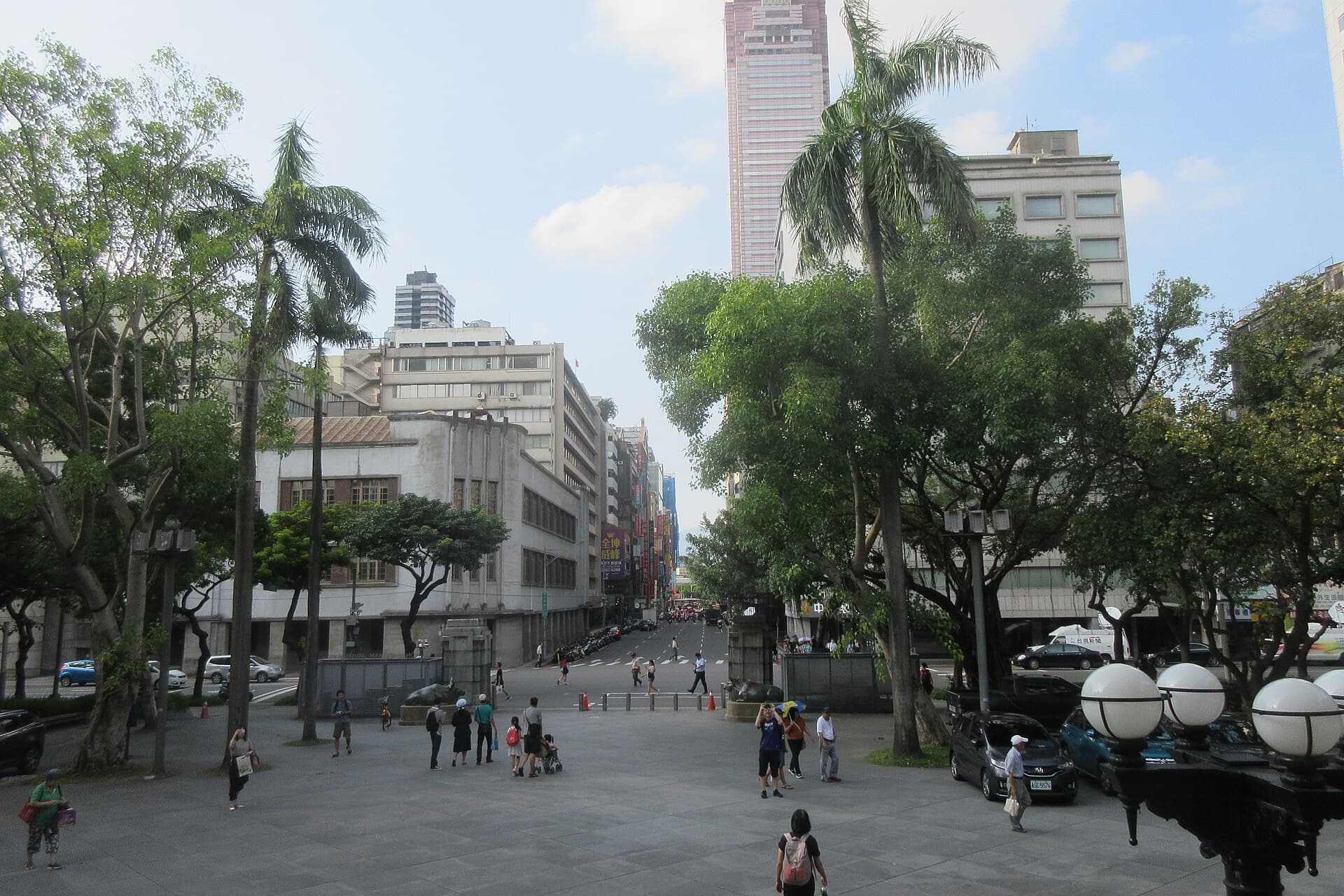
Taipei 228 Peace Park
228 Peace Park is located at the end of Guanqian Road, in front of Taipei Main Station. Originally named Taipei Park, it was also known as New Park. Built in 1899, it is the oldest park in Taipei City. In 1945 (the 34th…
Visitor Essentials
228 Peace Park is located at the end of Guanqian Road, in front of Taipei Main Station. Originally named Taipei Park, it was also known as New Park. Built in 1899, it is the oldest park in Taipei City. In 1945 (the 34th year of the Republic), after World War II, the Nationalist government took over Taiwan, and the Taiwanese people were jubilant. However, a series of improper measures by the Nationalist government subsequently led to widespread public discontent, including economic monopolies, rampant corruption, declining livelihoods, and the tyrannical behavior of military and police forces. Coupled with cultural differences, the rift between native Taiwanese and mainland Chinese immigrants deepened. Finally, on the evening of February 27, 1947 (the 36th year of the Republic), during an anti-smuggling operation, citizens, angered by an anti-smuggling agent killing a person, surrounded military police units but were fired upon by soldiers. On February 28, people gathered at Taipei Park (now 228 Peace Park), then occupied the Taiwan Broadcasting Station (now the Taipei 228 Memorial Museum) to broadcast across the island. The unrest gradually spread throughout Taiwan, and demands for punishment of those responsible escalated into political protests. The Nationalist government mobilized troops to suppress the uprising. In addition to military crackdowns, a 'pacification' campaign (清鄉) was carried out after the unrest subsided. The methods of this campaign were extreme, involving false accusations, arbitrary arrests, and revenge, which made native Taiwanese fear for their lives. To heal the wounds of this historical event, Taipei Park was renamed 228 Peace Park on February 28, 1996 (the 85th year of the Republic). To commemorate the innocent people who died or were injured during the 228 Incident, the 228 Memorial Monument was erected within 228 Peace Park. The original designer of the monument, Cheng Tzu-tsai, was also a victim of the 228 Incident. In 1962 (the 51st year of the Republic), he went to the United States to study. After experiencing the freedom and openness of democratic nations, he decided to dedicate himself to the Taiwan independence movement, advocating for Taiwanese human rights. In 1970 (the 59th year of the Republic), upon learning that Chiang Ching-kuo, then Premier, was about to visit the U.S., Cheng decided to attempt an assassination on this Chiang family successor who controlled Taiwan's intelligence system. The assassination attempt was unsuccessful, and Cheng Tzu-tsai subsequently lived in exile overseas for over 20 years. The monument's inscription details the origins and aftermath of the 228 Incident in 1947, hoping to comfort the souls of the deceased, soothe the grief and indignation of the victims and their families, and serve as a solemn warning and historical lesson for all citizens. Within the park, the National Taiwan Museum (formerly the Provincial Museum) is Taiwan's oldest natural history museum. Its design, which mimics ancient Greek Doric architecture, makes it one of Taipei City's most distinctive buildings.
Discover the Context
No stories linked yet.
Happening at Taipei 228 Peace Park
View CalendarNo upcoming events at this venue.