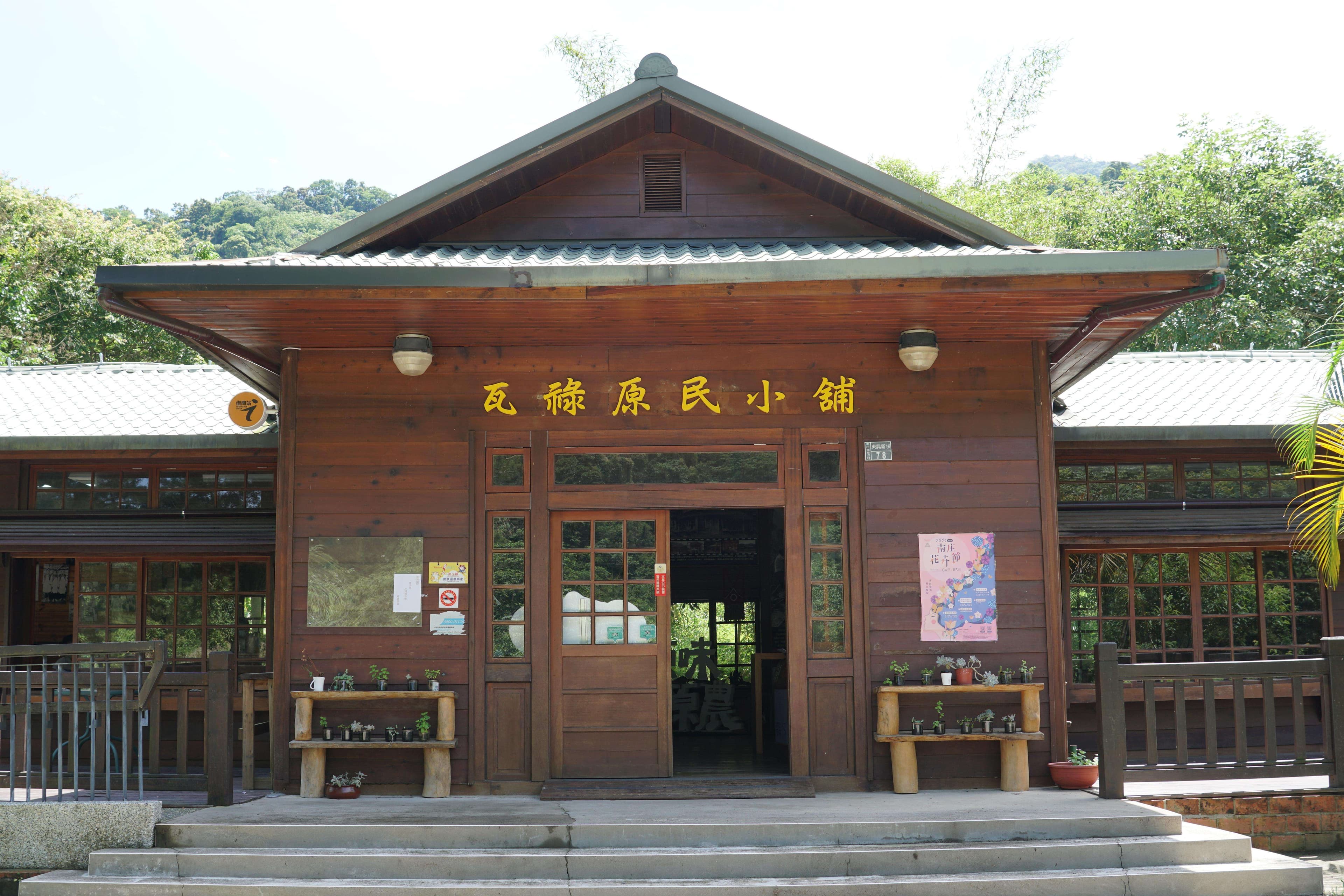
Walo Tribe
Walo (WALO) is the old name for the Donghe area, meaning 'bee' and 'sugar' in Saisiyat. The local area boasts rich multiculturalism. The Saisiyat people are the most numerous; while incorporating Hakka and Atayal cultura…
Visitor Essentials
Walo (WALO) is the old name for the Donghe area, meaning 'bee' and 'sugar' in Saisiyat. The local area boasts rich multiculturalism. The Saisiyat people are the most numerous; while incorporating Hakka and Atayal cultural characteristics, they also maintain the uniqueness of their own culture, with their myths and ceremonial rituals fully preserved. Most of them currently reside in the Donghe Community of Donghe Village. The Atayal people are the fewest in number. In earlier times, the Atayal, who lived by hunting, resided in tribes such as Lucun (Deer Farm), Luhu (Deer Lake), Shibih (Stone Wall), and Donghe because there were many deer herds on the east bank of the Great Donghe River. As for the second most numerous group, the Hakka people, they are scattered across Hengpingbei, Lu'ailiao, and Donghe due to the village's spiritual center, 'Yongsheng Temple.' They once allied with the Saisiyat people to resist the Japanese. The Walo Tribe now mostly refers to Donghe Village in Nanzhuang Township, Miaoli County.
Discover the Context
No stories linked yet.
Happening at Walo Tribe
View CalendarNo upcoming events at this venue.