Qinbi Settlement
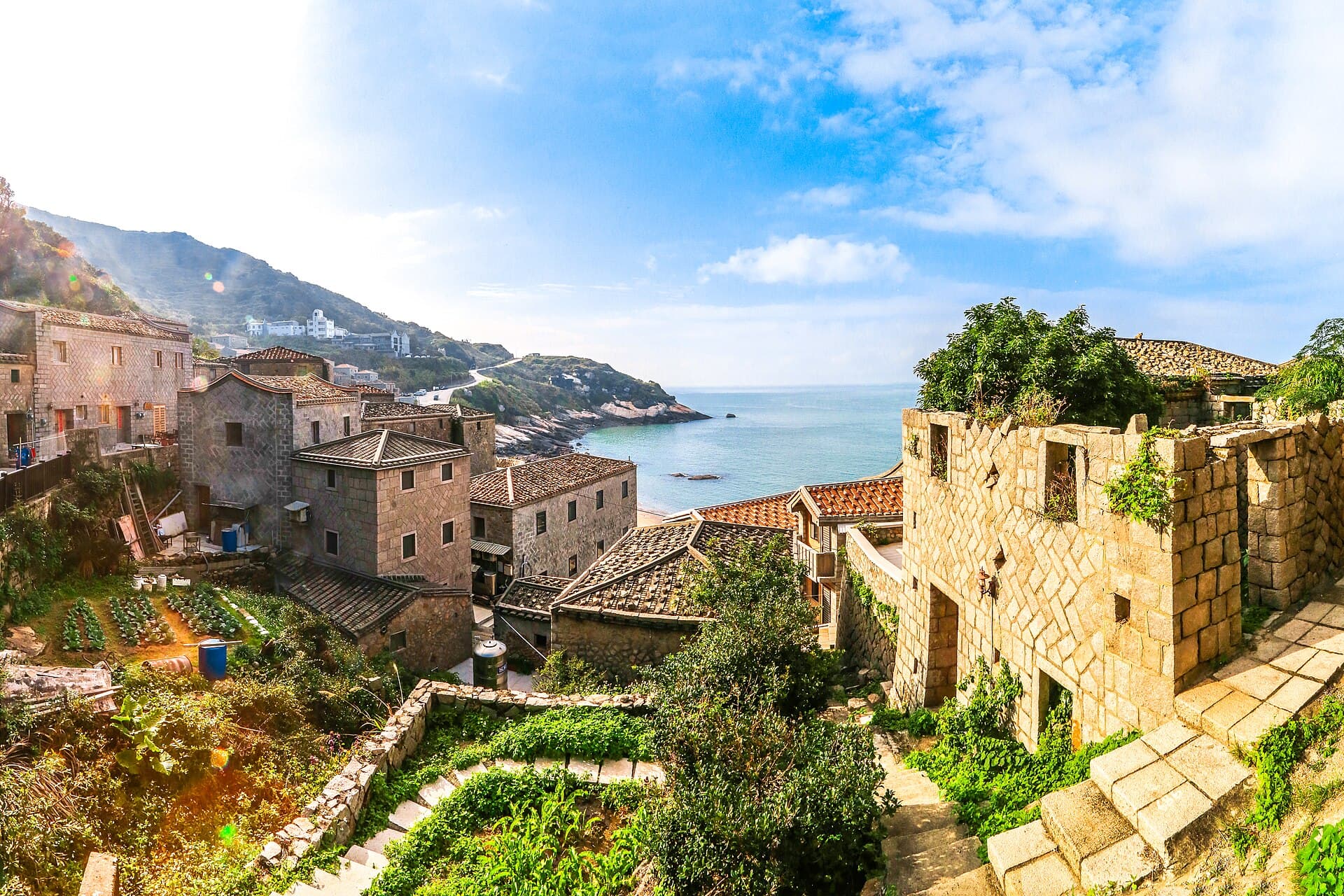
The most beautiful stone house settlement comparable to the Mediterranean style. If you want to see the beautiful scenery of the Mediterranean, there's no need to travel thousands of miles abroad. Come to Beigan, Matsu,…
Visitor Essentials
全天
The most beautiful stone house settlement comparable to the Mediterranean style. If you want to see the beautiful scenery of the Mediterranean, there's no need to travel thousands of miles abroad. Come to Beigan, Matsu, and you can witness romantic scenery comparable to a European stone mountain town! Qinbi is one of the most well-preserved and representative places for traditional Min-Dong architecture in the Matsu Islands, highly favored by architectural, cultural, and art circles both domestically and internationally. In earlier years, villagers made a living by catching shrimp skin. In the 1970s, as the fishing industry declined, most residents moved away for work. The cluster of empty houses left by population outflow were transformed into homestays and cultural spaces through planned government renovations, allowing each stone house to regain its diverse former appearance. Wandering through the winding mountain village, it's not hard to spot various distinctive slogans, faded and peeling, on the houses, as if stepping into a time corridor. Today, tourists can't help but smile at the sight. Qinbi Settlement, built against the hillside, faces the sea with its back to the mountains. It is arranged in a terraced manner according to the terrain, stacked in layers and well-organized, mainly divided into areas such as North Mountain, South Mountain, and Central Road. It was developed by the Chen family from Heshang, Changle, Fujian during the late Qing Dynasty. Most of the houses are built from local granite. Among them, the most finely crafted private residence is the "Pirate House," built by Chen Zhongping, the director of the Beigan unit of the "Peace and National Salvation Army" during the war. Besides using high-grade bluestone for the facade walls, it is also the only house in Qinbi Village with carved stone lions on its roof, and its elevated position makes it very grand. Strolling through the alleys of the stone houses, you can see the azure ocean everywhere. Each turn offers a delightful surprise, like "another village emerges from the shadows of willows and brightness of flowers," each fascinating in its own way. Why not choose a cafe, gaze at the ocean and islands, and enjoy the pleasant beauty accompanied by the sound of crashing waves? The Frog God Belief: The Iron-Armored Marshal Protecting Qinbi. Following the mountain paths, besides enjoying the seamless blend of sea and sky, you can also experience a unique local religious belief – traces of the Frog God are visible everywhere. In fact, the Frog God is the guardian deity of Qinbi Village, respectfully referred to by residents as the Iron-Armored Marshal. In earlier times, when people migrated from Min-Dong (Eastern Fujian) to Matsu, they brought this animal worship to the area. To this day, residents still occasionally go to the Mazu Temple (Tianhou Temple) to seek guidance or blessings from the Frog God. An Unforgettable, Slightly Tipsy Flavor: A Bowl of Piping Hot Old Wine Noodles. When visiting Matsu in autumn and winter, you must try Old Wine Noodles! The old wine broth combined with refreshing noodles, served with red lees pork, fried egg, and ingredients stir-fried with sesame oil. The ingredients are simple, yet the broth is delicate, creating a captivatingly delicious, wine-fragrant noodle dish that you absolutely cannot miss when in Qinbi.
Discover the Context
No stories linked yet.
Happening at Qinbi Settlement
View CalendarNo upcoming events at this venue.