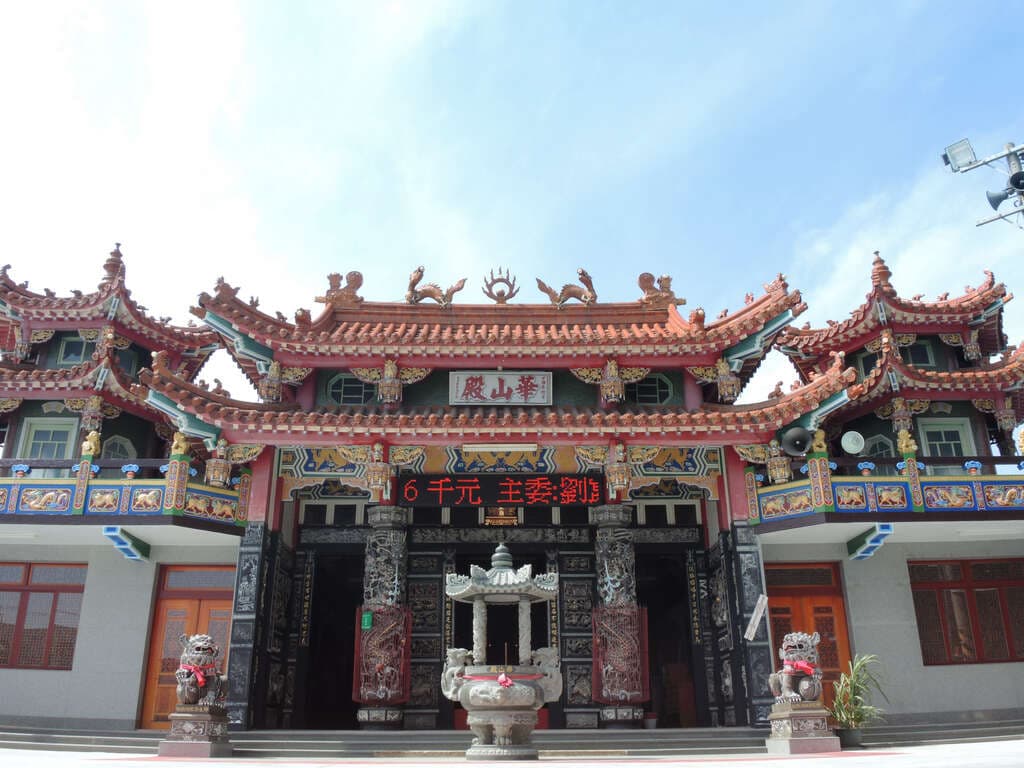
Zhuhu Temple of Prince Ningjing of the Ming Dynasty - Huashan Hall
The Tomb of Prince Ningjing is located in Hunei Village, Hunei Township, and is designated a national third-grade monument. Its main entrance features a paifang (memorial archway). Prince Ningjing was a ninth-generation…
Visitor Essentials
The Tomb of Prince Ningjing is located in Hunei Village, Hunei Township, and is designated a national third-grade monument. Its main entrance features a paifang (memorial archway). Prince Ningjing was a ninth-generation descendant of Emperor Taizu of Ming and a progeny of Prince Liao. In the 37th year of Yongli (1683), when Zheng Keshuang surrendered to the Qing dynasty, Prince Ningjing committed suicide by hanging himself. Deeply moved by his loyalty and righteousness, local villagers buried him and his principal consort, Lady Luo, together in Pengzailin, Hunei Village. They also constructed over a hundred decoy tombs to confound the Qing army's search. The tomb was only rediscovered in 1937 (the 26th year of the Republic of China), and after Taiwan's retrocession, it was renovated and a stele was erected. Within the Ming Prince Ningjing's Mausoleum Park, a main axial ramp cuts through the park, dividing the burial ground into two. A stele inscribed 'Tomb of Prince Ningjing' stands nearby, introducing the life story of Prince Ningjing of the Ming Dynasty. Stone lions are positioned on both the left and right sides in front of the tomb. The landscaped garden on the right features a stone-built pond, with an octagonal pavilion situated above it. In the plaza in front of the tomb, there are two century-old banyan trees whose canopy-like shade is a magnificent sight. The area surrounding the tomb has been developed into a forest park with ponds, pavilions, and abundant flora, making the mausoleum appear neat and serene.
Discover the Context
No stories linked yet.
Happening at Zhuhu Temple of Prince Ningjing of the Ming Dynasty - Huashan Hall
View CalendarNo upcoming events at this venue.