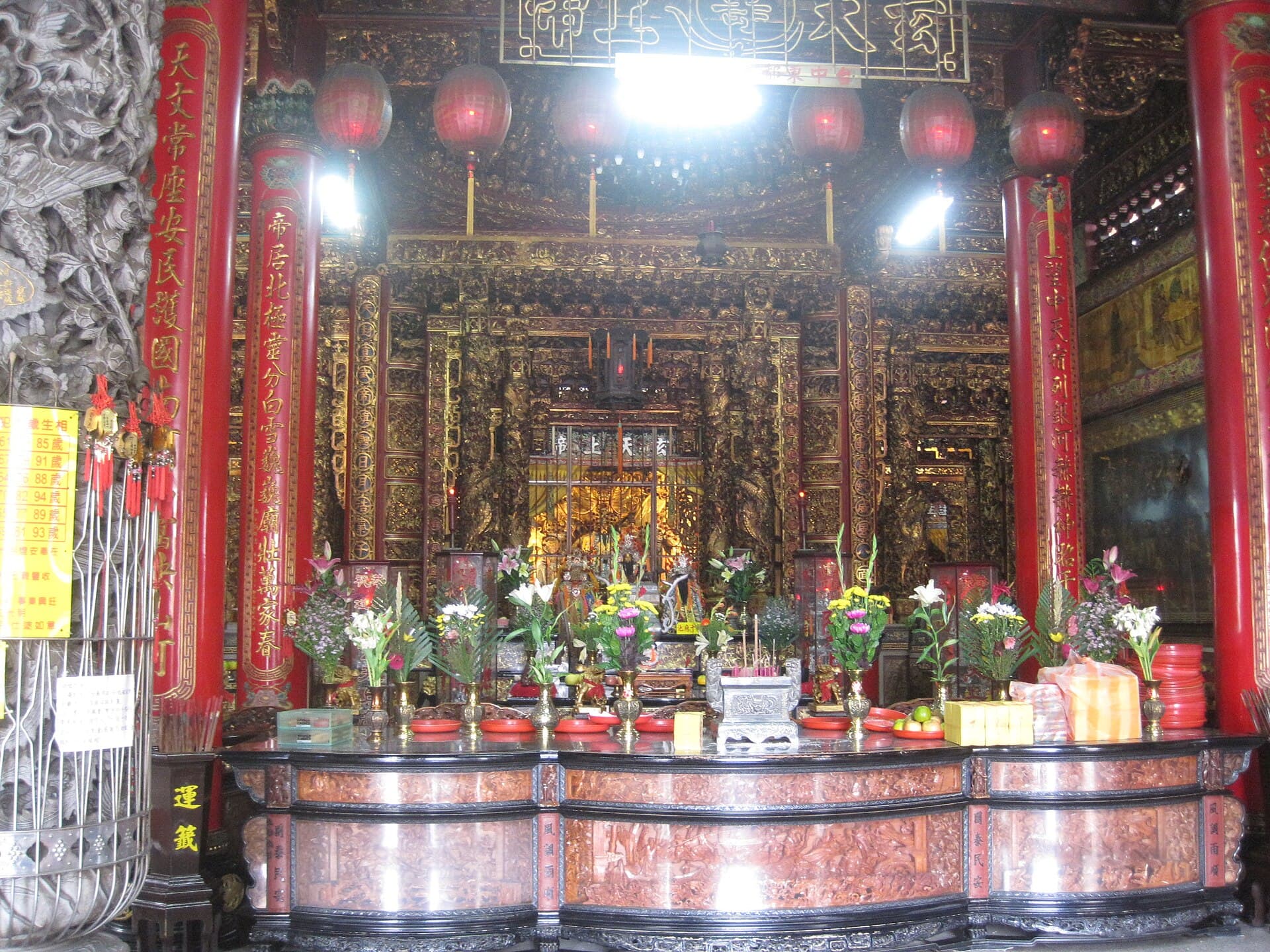
Yancheng Beiji Temple
Built in 1684, the temple primarily worships Xuantian Shangdi (Emperor Xuan). Its historical development is intimately linked with the early local salt field culture. For over 300 years, it has safeguarded the local vill…
Visitor Essentials
Built in 1684, the temple primarily worships Xuantian Shangdi (Emperor Xuan). Its historical development is intimately linked with the early local salt field culture. For over 300 years, it has safeguarded the local villagers who made a living through farming and sun-drying salt, serving as a spiritual anchor for the community. In earlier times, the people of Yancheng transported sun-dried salt from 'Pangang' (泮港), located near Beiji Temple, to Anping and other areas. Although no traces of the river port remain today, clues can still be found in the intricate street layout near the temple. The route of Beiji Temple's grand jiao (Taoist ritual) procession, held once every 12 years, largely corresponds to the ancient river channels depicted in old maps, further demonstrating its connection to the history of salt production. Tracing the historical context of Yancheng's old port through local beliefs also resonates with the saying, 'Mazu in Beigang, Shangdigong in Nangang.'
Discover the Context
No stories linked yet.
Happening at Yancheng Beiji Temple
View CalendarNo upcoming events at this venue.