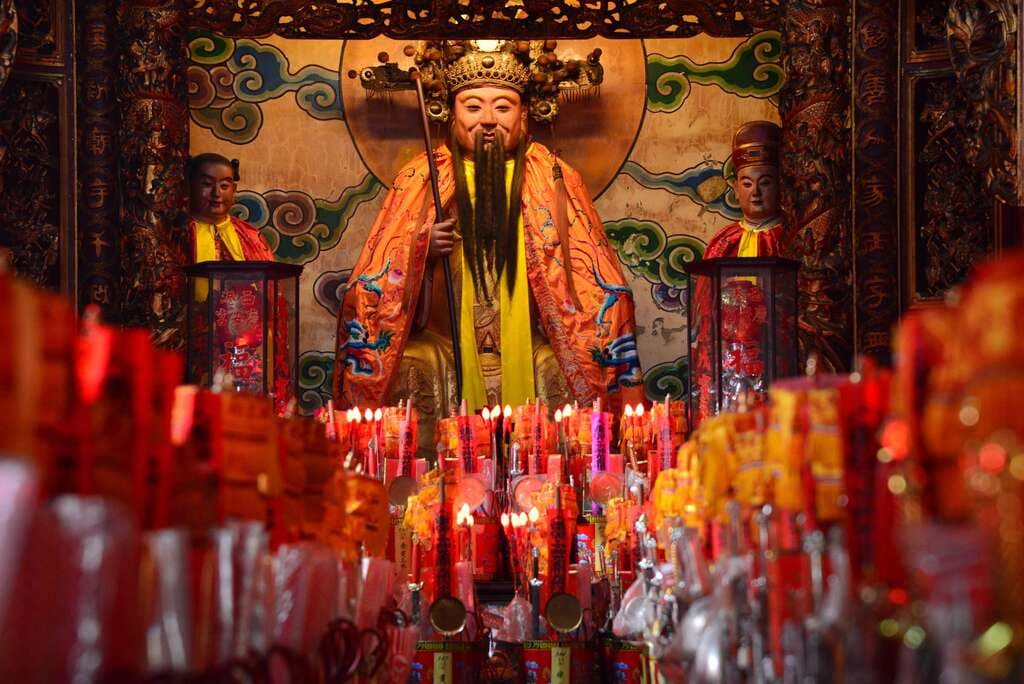
Srigang Cih-an Temple
Srigang Cih-an Temple was founded in the 51st year of Kangxi (1712) of the Qing Dynasty. Its history can be traced back to the Koxinga period, when Koxinga's troops identified this location as a "carp's den" (a geomantic…
Visitor Essentials
Srigang Cih-an Temple was founded in the 51st year of Kangxi (1712) of the Qing Dynasty. Its history can be traced back to the Koxinga period, when Koxinga's troops identified this location as a "carp's den" (a geomantically auspicious spot). Believing that building a temple here would foster local development, they left behind the statues of Marshal Zhongtan and the City God, which they had brought with them on their ship. Later, during the Kangxi era, they branched off incense from a Mazu Temple and brought Mazu back as the primary deity. The Carps of Cih-an Temple. Due to the legend of the "carp's den," carp imagery can be seen as decoration throughout Cih-an Temple, both inside and out. From the numerous coiled carp Koji pottery adorning the temple roof to the "Carp Messengers" that convey signals from the Wangye deities during the Gua Xiang festival and the "Carp Command Flags" that devotees bring home, the significant status of the carp in the hearts of worshippers is clearly evident. Taiwan's Foremost Xiang Festival: Srigang Gua Xiang. This festival holds the title of Taiwan's foremost xiang (incense) festival. Held every three years, the Srigang Gua Xiang has a history spanning over 200 years and has never been interrupted. The term "Gua Xiang" refers to the procession of the Qiansui Lords (Wangye deities) through 96 villages and townships, bringing peace and blessings to their devotees. Among the various incense entourages formed by the worshippers, the most renowned is the 70-segment "Hundred-Legged Centipede Array," which weaves through the towns and villages and is a must-see photographic highlight of the festival.
Discover the Context
No stories linked yet.
Happening at Srigang Cih-an Temple
View CalendarNo upcoming events at this venue.