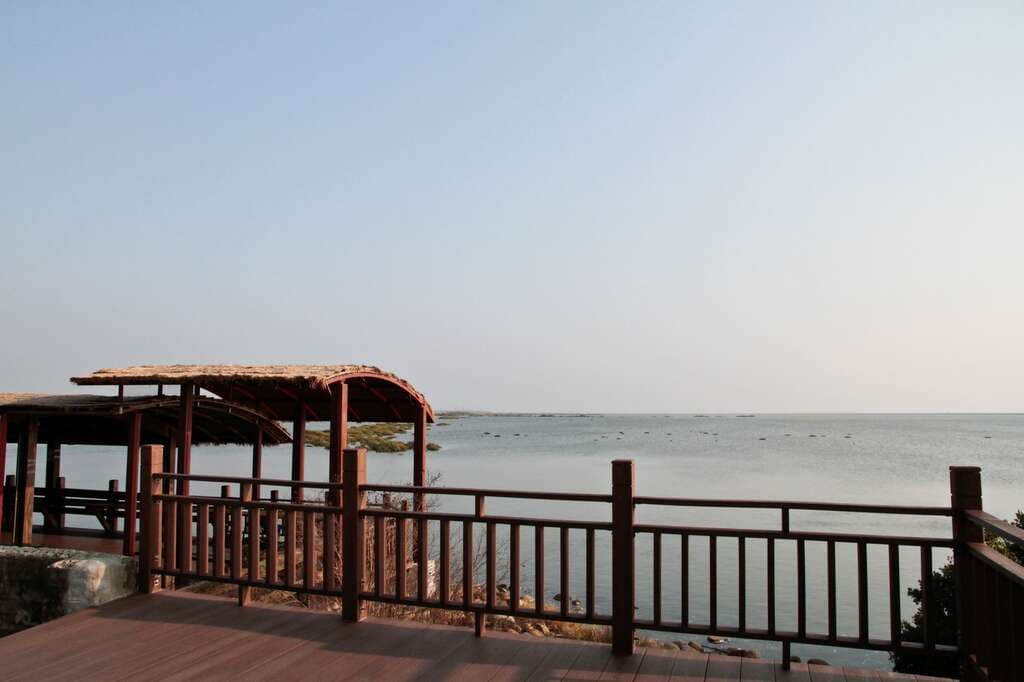
Black-faced Spoonbill Nature Reserve
The sandbars and reclaimed land formed by the alluvial deposits at the estuary of the Zengwun River boast a rich estuarine ecosystem with abundant benthic and planktonic organisms, thus attracting large numbers of migrat…
Visitor Essentials
The sandbars and reclaimed land formed by the alluvial deposits at the estuary of the Zengwun River boast a rich estuarine ecosystem with abundant benthic and planktonic organisms, thus attracting large numbers of migratory birds to stop and feed. The Black-faced Spoonbill, an internationally rare and protected bird species, is the most captivating migratory bird in these waters. By the end of September each year, Black-faced Spoonbills gradually arrive from the distant north. After spending the winter, they gradually leave the estuary and return to the north in March of the following year. This sight is a rare scene exclusive to the autumn and winter seasons. As the northeasterly winds continuously blow from the sea, hardworking fishermen brave the cold winds on their fish farms and oyster racks. But then, the elegant figures of the spoonbills begin to appear in the fish farms and lagoons, leisurely wading through the shallows, searching for food. During this period, you can spot Black-faced Spoonbills almost anywhere along the coast of Qigu. The older generations locally affectionately call them 'black-faced ducks,' which sounds more endearing. For a long time, people and birds have coexisted peacefully, maintaining a good ecological balance. The saying, 'People need to eat, and birds need to eat, but birds don't eat that much,' is often heard from the local elders. They don't drive them away; instead, they share the young fish in the fish farms with the 'black-faced ducks.' For them, the Black-faced Spoonbills are like old friends who come back to visit every winter.
Discover the Context
No stories linked yet.
Happening at Black-faced Spoonbill Nature Reserve
View CalendarNo upcoming events at this venue.