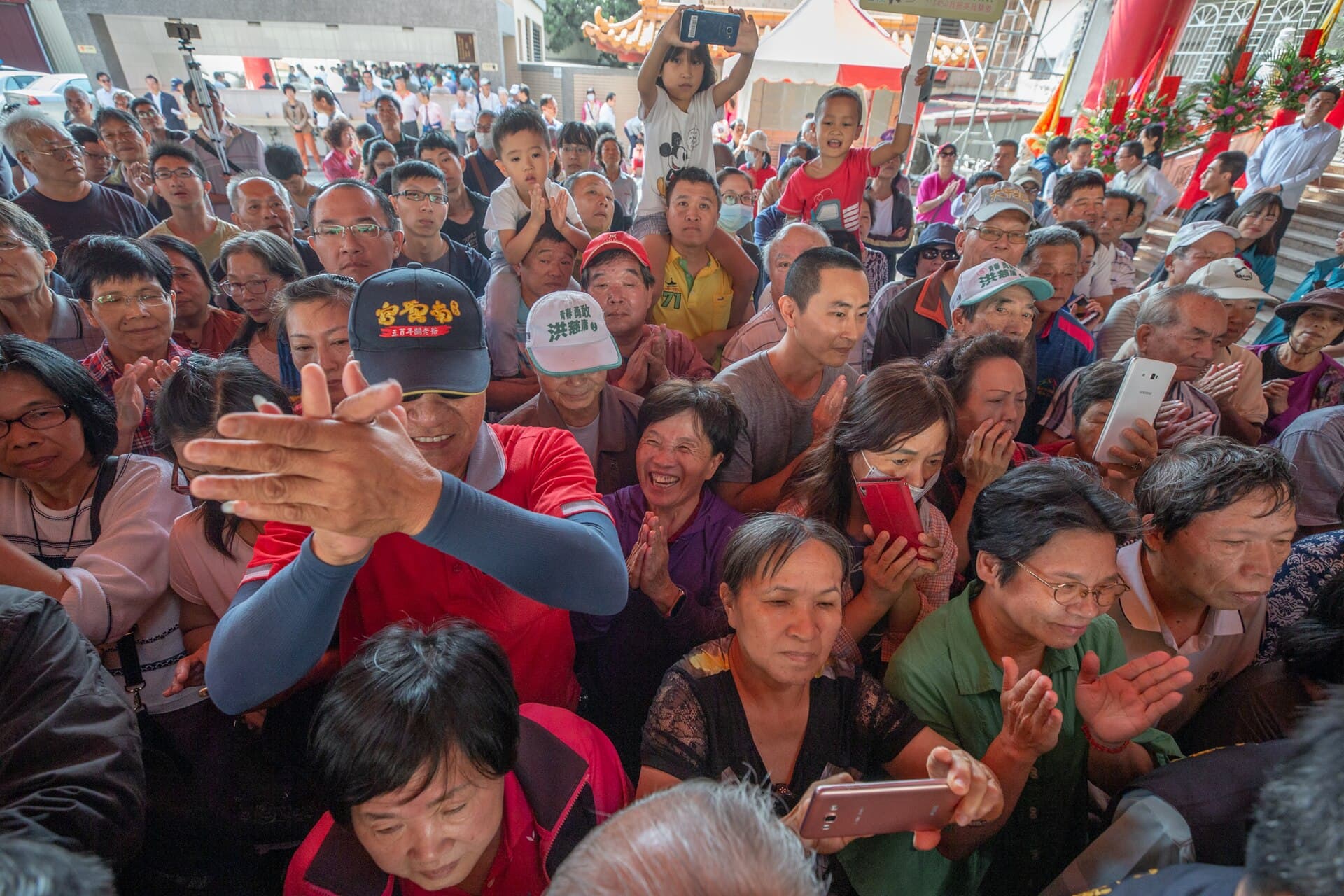
Shekou Wanxing Temple
This temple was built during the Yongzheng period of the Qing Dynasty, nearly three hundred years ago, and has a long history. In the ninth year of Yongzheng (1731), during the Dajia Xishe aboriginal rebellion, the chief…
Visitor Essentials
This temple was built during the Yongzheng period of the Qing Dynasty, nearly three hundred years ago, and has a long history. In the ninth year of Yongzheng (1731), during the Dajia Xishe aboriginal rebellion, the chief aboriginal officer Pan Tun-zai, along with his sons Shi-wan and Shi-xing, and interpreter Zhang Dajing, successfully led able-bodied men to quell the rebellion. In the eleventh year of Yongzheng (1733), Zhang Dajing, Shi-wan, and Shi-xing traveled to the capital to receive awards and were bestowed with python robes (currently preserved by the Zhang family). Upon returning to Taiwan, grateful for the Holy Mother's blessings, they specifically went to Meizhou Tianhou Temple to respectfully invite the divine spirit of Mazu (Heavenly Holy Mother). The deity was first enshrined in Wagaojiao, south of Shengang Community. Wagaojiao, meaning 'tile kiln foot,' was named because kilns were specially built there to fire the tiles and bricks needed for temple construction. Later, due to unfavorable feng shui, the temple was moved to its current location. The origin of Wanxing Temple's name is said to derive from Shi-wan and Shi-xing. Shekou was formerly an entrance/exit for the Anli Grand Pardon area, and after Han Chinese settlers arrived, they called this place 'Wanxingzhuang,' which also contributed to the temple's name.
Discover the Context
No stories linked yet.
Happening at Shekou Wanxing Temple
View CalendarNo upcoming events at this venue.