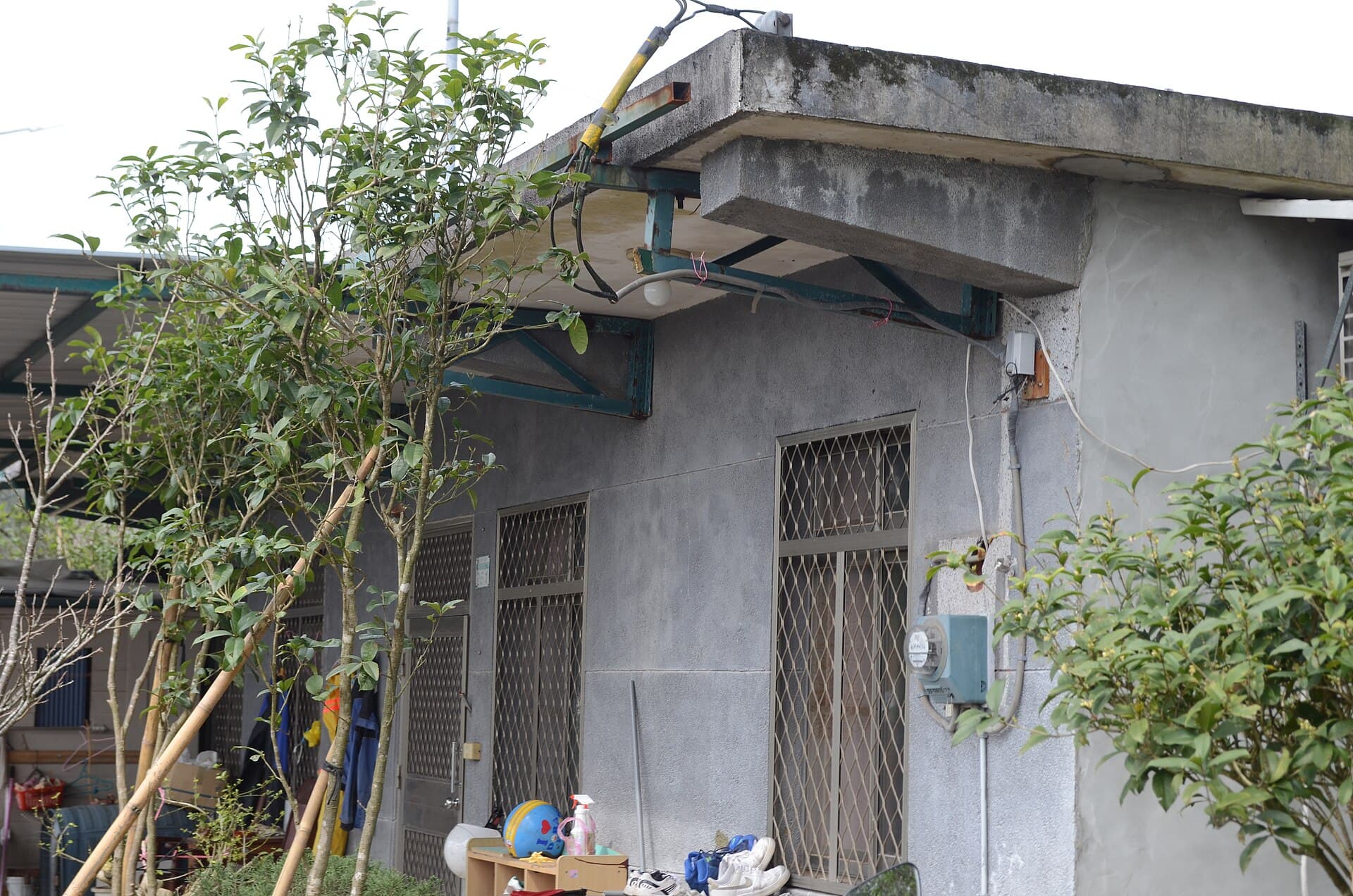
Yan Xishan's Former Residence
Yan Xishan (1883-1960), courtesy name Bochuan, lived through an extraordinary period of Chinese history, witnessing major events such as the Tongmenghui's anti-Qing movement, the Xinhai Revolution, the Hongxian Monarchy,…
Visitor Essentials
Yan Xishan (1883-1960), courtesy name Bochuan, lived through an extraordinary period of Chinese history, witnessing major events such as the Tongmenghui's anti-Qing movement, the Xinhai Revolution, the Hongxian Monarchy, the founding of the Republic of China, the Central Plains War, the KMT-CCP Cooperation, the Anti-Japanese War, the Chinese Civil War, and ultimately the Kuomintang's relocation to Taiwan. He is considered one of the most significant figures in modern Chinese history. He served as Premier and Minister of National Defense for the Nationalist government before its retreat to Taiwan. After his resignation, he retired with his subordinates to Yangmingshan. During his final decade of seclusion in Yangmingshan, he dedicated himself to research and writing, completing "Universal Harmony" and "Three Hundred Years of China." He was a Confucian practitioner who embodied the 'Three Immortalities' – establishing virtue, achieving meritorious service, and leaving behind influential words. In his later years, driven by homesickness and military defense considerations, he chose a wind-sheltered hillside offering commanding views of the Tamsui River estuary and the Taipei Basin. Here, he constructed the stone house named "Zhongneng Cave" and the "Red Brick House." The "Zhongneng Cave" adopted the architectural style of Shanxi cave dwellings, further incorporating elements from Chinese, Japanese, and Western architecture. Its construction period, scale, and layout differ significantly from typical historical sites. It serves as the main building of Yan's former residence, personally named by Yan, and reflects his 'cosmic view' of observing universal changes through 'Zhongneng'. This bunker-style residence became the final resting place for this important figure in modern history. The "Red Brick House" functioned as an air-raid shelter, featuring exterior walls three feet thick, reinforced steel plates at doors and windows, and designs like camouflage awnings and sentry lookout posts. In 2004, the "Red Brick House" and "Zhongneng Cave" were officially designated as the city-level historic site "Yan Xishan's Former Residence." The nearby tomb of Yan Xishan was also designated as a historic site in 2010.
Discover the Context
No stories linked yet.
Happening at Yan Xishan's Former Residence
View CalendarNo upcoming events at this venue.