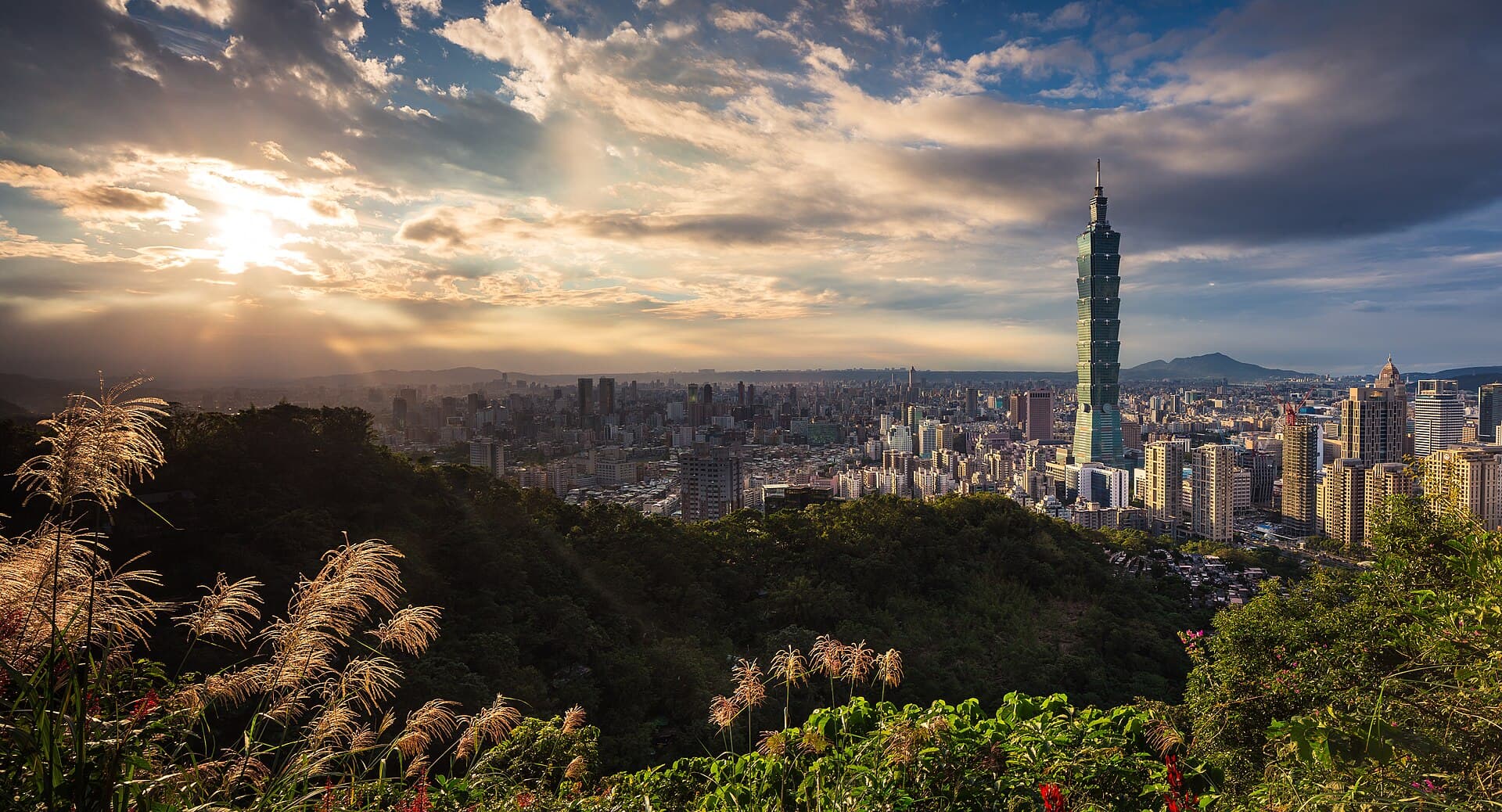
Nangang Mountain Range_Lishan Bridgekou Hiking Trail
The Lishan Bridgekou Hiking Trail is located south of Nangang Park. This area was once a source of irrigation water, nestled between mountains and water. The three old ponds of Nangang District (Houshanpi, Dongxinpi, and…
Visitor Essentials
The Lishan Bridgekou Hiking Trail is located south of Nangang Park. This area was once a source of irrigation water, nestled between mountains and water. The three old ponds of Nangang District (Houshanpi, Dongxinpi, and Sanchongpi) were situated here. Today, these ancient ponds no longer supply water but have transformed into recreational spots for lakeside fishing, scenic viewing, walking around the lake, and cycling. The initial section of the trail is the Beixing Temple Trail, while the latter part is the truly ancient and charming Lishan Bridgekou Trail. This trail, with its groves of tree ferns, boasts a history of a hundred years. It was once a shortcut for early settlers transporting rice and tea between Songshan (formerly Xikou) and Sifenzi (Section 4, Academia Road). Walking along the forest paths and deep mountain ancient trails, one encounters rare tree ferns and a carpet of yellowed fallen leaves. The area is sparsely populated, and the tranquil atmosphere allows visitors to appreciate the wonderful, primitive beauty of nature. Unlike other trails in the Nangang Mountain Range, the Lishan Bridgekou Hiking Trail still retains a section of dirt path. On sunny holidays, walking along it evokes a nostalgic feeling with the fragrant scent of earth. However, after rain, the soft, muddy path is less picturesque, and people need to be careful not to slip and fall. Beixing Temple Trail: This section of the trail at Beixing Temple is a flat and easy-to-walk stone-step path, shaded by green trees and accompanied by interwoven fields, making the walk very relaxing. Particularly heartwarming and thoughtful are the prominent “Stay Healthy” and “Houshanpi Residents Care About You” slogans along the path, which hikers find especially touching. The initial part of the trail offers views of the bustling urban high-rises of the Xinyi Commercial District and residential areas, but after crossing a small saddle, the scenery changes to a pastoral farm landscape, with light clouds and ever-changing vistas. The Centenary Yong'an Residence: This hundred-year-old house, located along the Lishan Bridgekou Hiking Trail, has undergone multiple renovations, but the inscription “Yong'an Residence” on its facade and its brick walls still exude a strong sense of antiquity. This old manor, once passed by early settlers and travelers, silently recounts the bygone years. Tracing the Ancient Path: Living in densely populated Taipei, where quiet spaces are scarce, the desire for tranquility grows. Sometimes one can't help but miss the leisurely and peaceful country fields. At such times, a walk along the Lishan Bridgekou Hiking Trail is highly recommended. On the way from the MRT station to the trailhead, passing Nangang Park, you might want to first detour to see the prominent Houshanpi remnants. This U-shaped lake-pond, nestled between mountains and water, along with the nearby Xinzhuangpi (also known as Dongxinpo) and Sanchongpu Pi, are the three major old ponds of Nangang District, primarily serving as irrigation water sources during the agricultural era. Today, these ancient ponds have been given new life, offering lakeside fishing, scenic viewing, a loop trail, and a dedicated off-road cycling path for recreation. Lishan Bridge Trail Markers: After visiting Houshanpi by following the Lishan Bridge Trail signs, both body and mind feel cleansed by the lake water, and muscles considerably relaxed. Following the stone steps from the trailhead gently upwards, shaded by green trees and accompanied by a cool breeze, one never feels tired throughout the journey. Especially noteworthy are the series of prominent “Stay Healthy” signs along the path, which sometimes offer health tips, and at other times, midway or near the end of the trail, timely words of encouragement appear. Seeing the phrase “Houshanpi Residents Care About You,” it feels as if they are lining the path to welcome everyone and cheer them on. The latter half of the journey towards the saddle is steeper, but with the readily available warmth and companionship (from the encouraging messages), hurried breaths quickly smooth out. Upon reaching a sheltered hut with “Daling Villa” carved on its stone wall, one can take a short rest and admire the view down the mountain. Soon, the Banyan Saddle appears. Wandering around, an “Anbu Nostalgia” interpretive sign explains the origin of the saddle trail, setting the stage for the upcoming journey and foreshadowing an ancient and charming route. Forest Path: Evoking Ancient Sentiments: Compared to the flat and easy stone steps of the earlier Beixing Temple Trail, the latter section offers a unique charm. Although the rustic forest path can be wet and slippery after rain, and one must sometimes be careful not to stumble on loose gravel, the feeling of walking on the earth and directly sensing its pulse is incomparable to stable stone steps. This ancient trail is said to be a hundred years old, once a shortcut for early settlers carrying rice and tea between Songshan (formerly known as Xikou) and Sifenkeng (Section 4, Academia Road). In the past, residents of the Nangang Mountain valley region would cross the saddle, coming from the back mountains to the bustling front-city area to buy daily necessities. The Lishan Bridgekou Trail is located in the back mountains, and the journey from Beixing Temple to Lishan Bridge truly showcases the drastically different scenery between the front and back of the mountain. Midway along the Beixing Temple Trail, standing at “Jiulongtan” (Nine Dragon Pond), where there are “heart-washing” and “heart-reflecting” mirrors on the ground, one sees the bustling urban landscape of Songshan and the city hall area. Nearing the saddle, the distant view also shows the densely populated Taipei Basin. After crossing just one small hilltop, it feels as if one has passed through a time tunnel, arriving in a different space and time. Ancient Path, Secluded Like a Hidden World: Upon first entering the valley, one sees nothing but pastoral farm scenery: vegetable gardens, ponds, luffa trellises, rice paddies, and gurgling streams, feeling as if one has entered a utopia. Moving further, this initial impression of being in another era gradually deepens. Walking along the forest paths, it's like being on an ancient mountain trail, evoking images of wandering martial artists. The scattered fallen leaves everywhere indicate that this place is rarely visited, and the tranquil atmosphere allows for a deeper appreciation of the beauty of being one with nature. Turning into a small fork in the path, the overgrown weeds in front of “Yong'an Residence” once again declare that while there is a house, there are no human traces. The side of “Yong'an Residence” has been renovated, so it's not easy to tell it's an old house from the main trail. However, the stone benches along the path and the old house hidden away on the small trail bear witness to the trail's long history. After exiting the trail, one is met with purely rural scenery—vegetable gardens, farmhouses, and sparsely scattered farmers. The bus stop is right in front of the Earth God temple. Not knowing when the bus will arrive, one can't help but wonder where they are. This scene... perhaps it's in the countryside of old.
Discover the Context
No stories linked yet.
Happening at Nangang Mountain Range_Lishan Bridgekou Hiking Trail
View CalendarNo upcoming events at this venue.