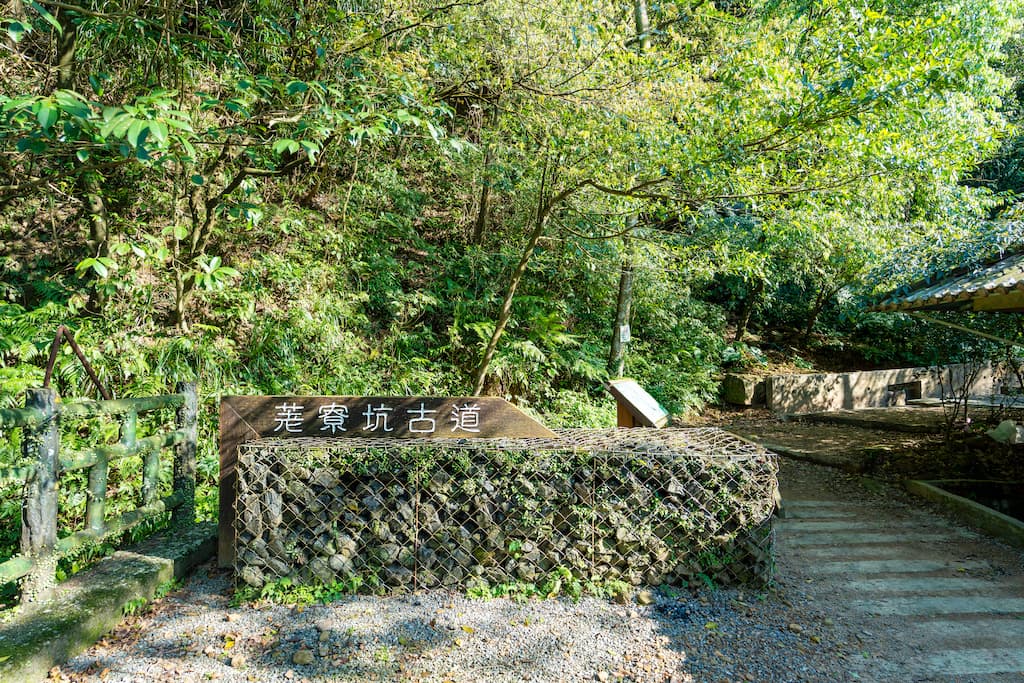
Laoliaokeng Mining and Ecological Park
Laoliaokeng is situated southeast of Nuannuan District, approximately 350 meters above sea level in the upper reaches of the Dongshi River. According to historical and cultural research, locals originally called it "Naol…
Visitor Essentials
開放式空間,無時間限制。
Laoliaokeng is situated southeast of Nuannuan District, approximately 350 meters above sea level in the upper reaches of the Dongshi River. According to historical and cultural research, locals originally called it "Naoliaokeng," where "nao" referred to camphor. A "naoliao" was a temporary dwelling for felling camphor trees and extracting camphor. Over time, "Naoliaokeng" gradually transformed in pronunciation to "Laoliaokeng." After the camphor trees were depleted, Laoliaokeng shifted to cultivating economic crops such as indigo plants and tea. During the Qing Dynasty, coal was discovered in the rock strata of the Laoliaokeng mountains. Large-scale mining commenced in the 1870s but gradually declined due to inconvenient transportation and high extraction costs, eventually ceasing operations in the 1920s. The Laoliaokeng Mining and Ecological Park preserves historical relics of Nuannuan's industries. Within the park, visitors can find scattered indigo plants and tea trees, remnants of the indigo and tea industries, as well as the ruins of "qingque"—stone-built pools used for soaking indigo plants to produce blue dye. Industrial relics of the Laoliaokeng coal mine are also visible, including the mine office, boiler room, and smoke vents, all bearing witness to Nuannuan's industrial development. Moreover, thanks to its warm and humid climate, Laoliaokeng boasts rich and diverse flora and fauna. It is home to rare protected species such as the Bellflower Tree (Rehmannia glutinosa) and the Taiwan endemic Golden-haired Rhododendron (Rhododendron ellipticum). Thus, Laoliaokeng Mining and Ecological Park serves as a recreational attraction that integrates ecological preservation, leisure, education, and cultural and historical conservation. The park primarily features two themed trails. One is the Laoliaokeng Industrial History Trail, which starts at the trailhead next to the entrance pavilion. Ascending along the stream valley, this trail offers views of diverse plant communities and historical relics from Laoliaokeng's past industries. The other is a connecting trail between Laoliaokeng and the Shifen Ancient Trail (a branch of the Danlan Ancient Trail, specifically the Nuannuan branch). The Shifen Ancient Trail is closely linked to the development of the Laoliaokeng coal mine. In the past, most Laoliaokeng coal mine workers were residents of Pingxi and Shifenliao, who commuted daily via the Shifen Ancient Trail. Along this trail, visitors can observe ruins of stone houses and terraced fields, believed to be the dwellings and cultivated land of early settlers.
Discover the Context
No stories linked yet.
Happening at Laoliaokeng Mining and Ecological Park
View CalendarNo upcoming events at this venue.