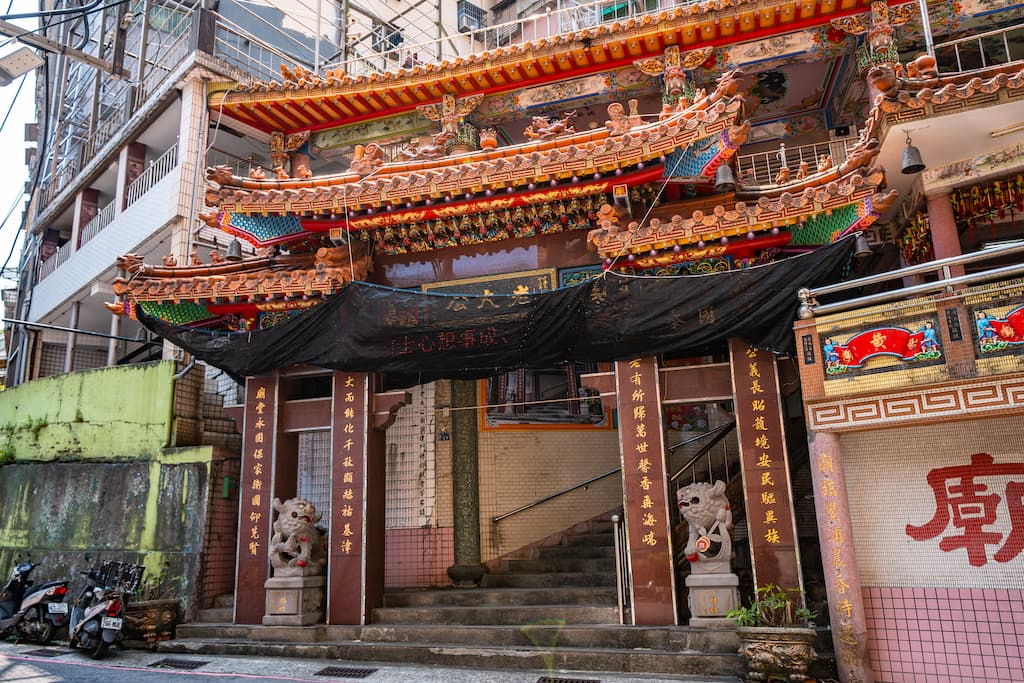
Laodagong Temple
-Attraction Introduction-Laodagong Temple, with over 150 years of history, enshrines the souls of those who died during the Qing Dynasty's Zhang-Quan clan conflicts over resources. The people of Keelung respectfully refe…
Visitor Essentials
週一~週日,07:00~18:00
-Attraction Introduction-Laodagong Temple, with over 150 years of history, enshrines the souls of those who died during the Qing Dynasty's Zhang-Quan clan conflicts over resources. The people of Keelung respectfully refer to them as 'Laodagong' (Grand Dukes). To resolve the long-standing animosity between the two factions, it has been customary for over a century for Laodagong Temple to 'open the shrine gate' (開龕門) at the start of the annual Ghost Festival (Zhongyuan Festival), and to 'close the shrine gate' (關龕門) to mark its solemn conclusion.-Attraction Features-Laodagong Temple is listed as one of Keelung City's 'Top 100 Historical Buildings,' possessing profound cultural heritage and local sentiment. During the annual Ghost Festival, the temple is bustling with worshippers, and people gather continuously to participate in the Pudu (Universal Salvation) rituals, creating a lively yet solemn atmosphere. Although hidden in an alley, Laodagong Temple has long embodied the local community's respect for the unseen world, witnessing a century of continuous faith and cohesion. Notably, unlike other traditional customs, Laodagong Temple represents the most delicate tolerance and tenderness from the living world towards the deceased, postponing the 'closing of the ghost gate' until the first day of the eighth lunar month, solely to allow the spirits to linger a little longer and depart content.-Recommended Activities-The bustling Laodagong Temple meticulously preserves its ritual traditions. Each year, the Ghost Festival commences with the temple's 'opening of the shrine gate' (開龕門), commonly known as the 'opening of the ghost gate.' When the ghost gate closes, Taoist priests perform rituals such as 'Jumping Zhong Kui' (跳鍾馗) and 'Burning Lord Da Shi' (火燒大士爺) to 'close the shrine gate' (關龕門), bringing the festival to an end. These solemn ceremonies symbolize reverence for ancestors and the fulfillment of prayers, offering a rare and precious sight in modern times.-Nearby Recommendations-After visiting Laodagong Temple, you can also plan a trip to Liu Mingchuan Tunnel to walk along historical tracks, or visit Shiqiuling Pingan Temple and its fortress for a panoramic view of Keelung Port, creating a day trip that blends faith, history, and natural scenery.
Discover the Context
No stories linked yet.
Happening at Laodagong Temple
View CalendarNo upcoming events at this venue.