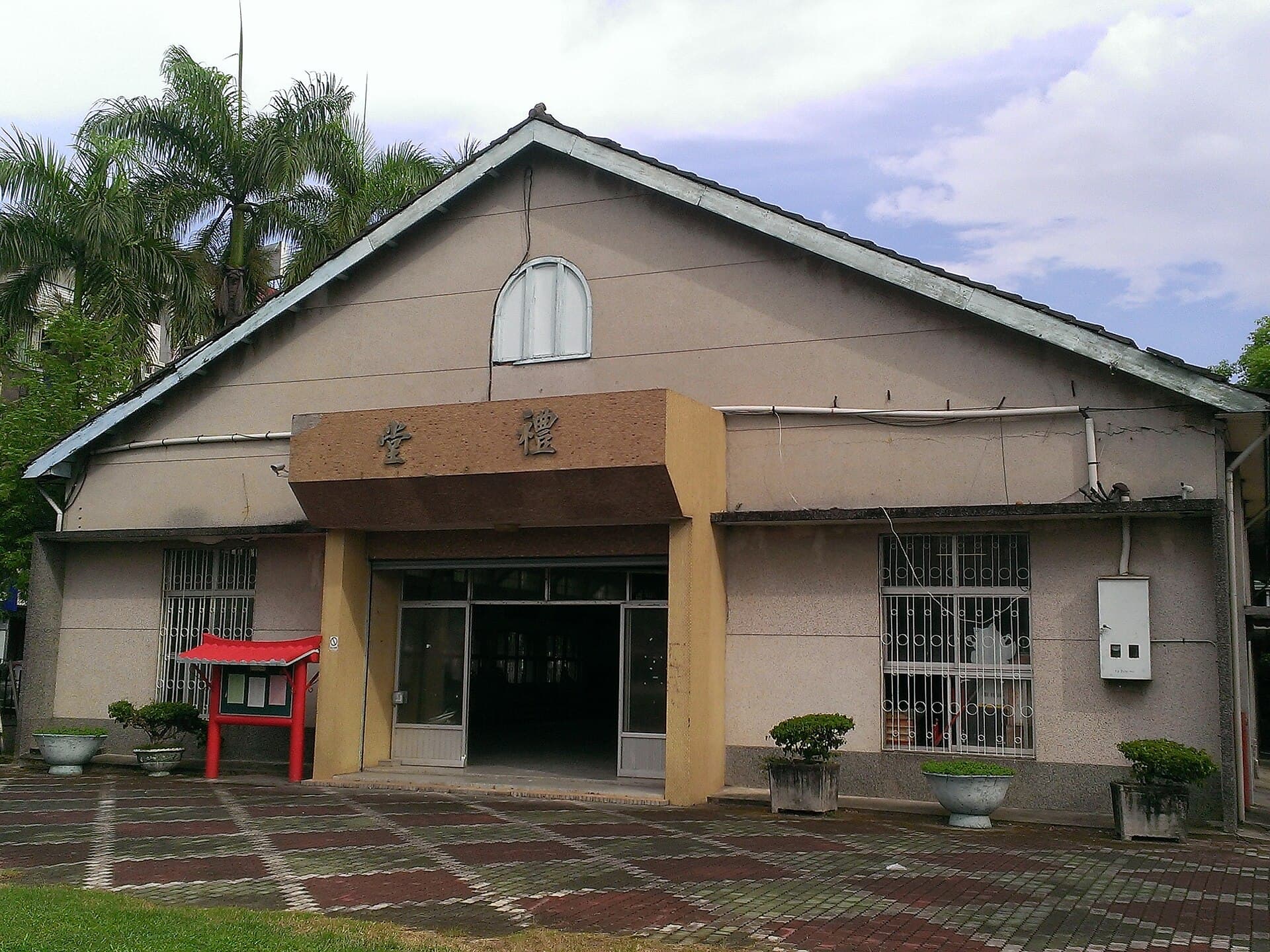
Tunan Coffee Story House
Coffee has long flourished in human history, with records of brewing and drinking it dating back to around the 11th century. While there are many origin legends, none can be verified. Beyond its high economic value, coff…
Visitor Essentials
週三上午11:30 - 下午6:00週四上午11:30 - 下午6:00週五上午11:30 - 下午6:00週六上午11:30 - 下午6:00週日上午11:30 - 下午6:00
Coffee has long flourished in human history, with records of brewing and drinking it dating back to around the 11th century. While there are many origin legends, none can be verified. Beyond its high economic value, coffee presents a wealth of knowledge in every aspect, from its varieties, origins, cultivation, harvesting, and processing, to its brewing and tasting. The world boasts many renowned coffee-producing regions, each with its unique flavor, and Taiwan is one of them. While Gukeng is widely known as a major coffee-producing region in Taiwan, few people know that Taiwanese coffee once garnered international renown. During the Japanese colonial period, the Japanese initially identified areas along the Tropic of Cancer, including Yunlin, Chiayi, and Tainan, as most suitable for coffee cultivation. They actively cultivated coffee by introducing seeds from Brazil and establishing agricultural institutions in Chiayi and Hengchun. Trial plantings began in regions such as Ruisui, Taitung, Kaohsiung, Gukeng, and Nantou, ultimately revealing that Gukeng-produced coffee was of the highest quality. The Japanese company 'Tunan Sangyo Co., Ltd.' began extensively planting Arabica coffee in the areas of Hobao Mountain, Huashan, and Shiziguan in Yunlin. At its peak, the cultivation area spanned over 300 hectares. Due to the excellent quality of coffee produced in Gukeng, it became a tribute presented by the Governor-General of Taiwan to the Japanese Emperor and was known as 'Imperial Coffee'.
Discover the Context
No stories linked yet.
Happening at Tunan Coffee Story House
View CalendarNo upcoming events at this venue.