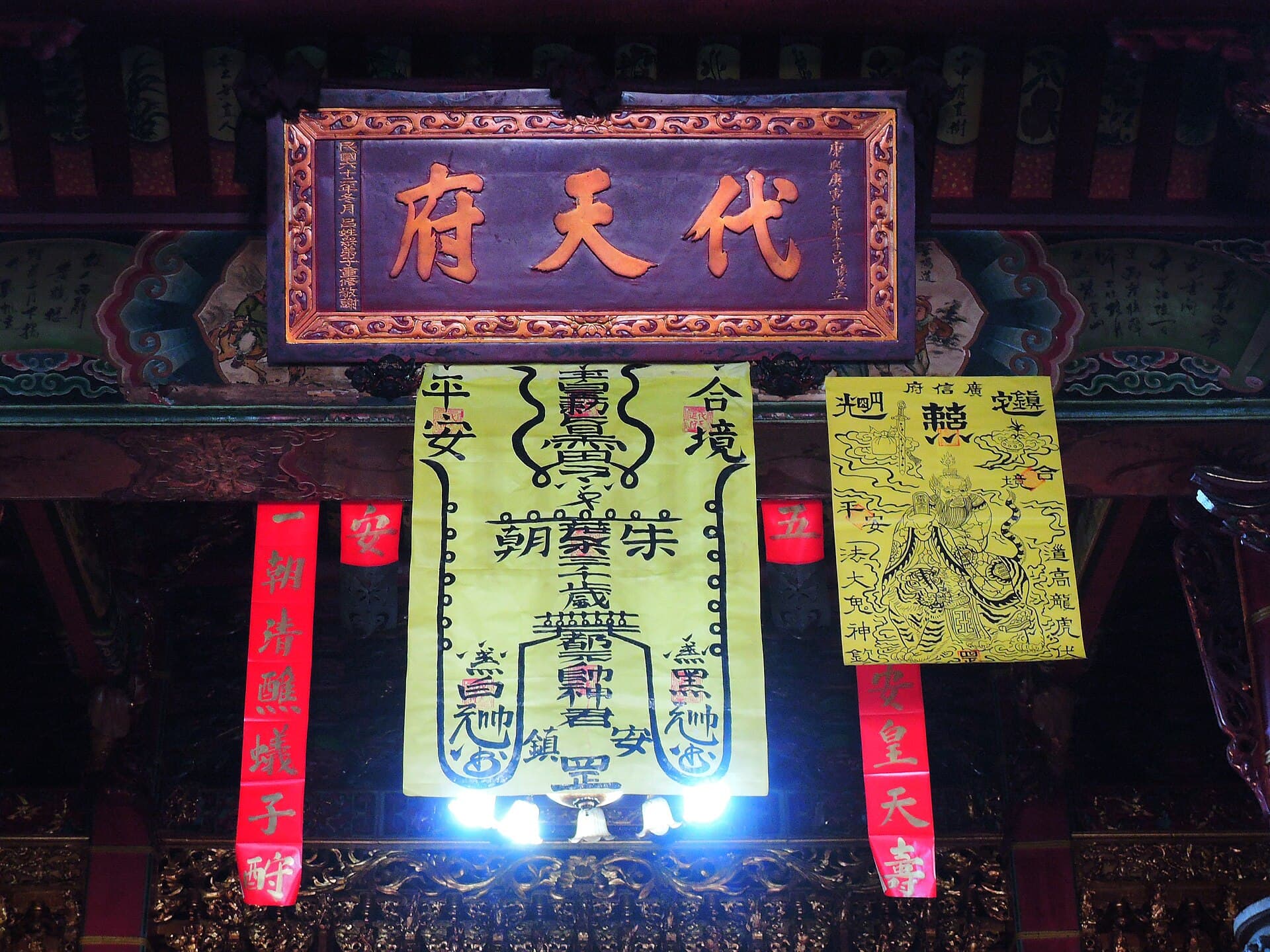
Yong'an Temple
At the current site of this temple, there was a thatched hut where three paper mache statues of Wangye and several clay statues of Huye generals were enshrined. At that time, unusual events occurred in the area; some peo…
Visitor Essentials
06:30-9:30
At the current site of this temple, there was a thatched hut where three paper mache statues of Wangye and several clay statues of Huye generals were enshrined. At that time, unusual events occurred in the area; some people became delirious, others fell ill with no discernible cause. The people were not only terrified but also helpless, so they prayed to Wangye for blessings and peace. The next day, a fisherman passed by the temple, saw a towering blaze emanating from it, and went inside to investigate. Suddenly, Wangye descended and possessed someone, performing rituals to bring peace and stability, and from then on, the area returned to tranquility. When the devotees lit incense and worshipped, the character "薛" (Xue) surprisingly emerged from the incense burner. From then on, the local people respectfully referred to this deity as 'Wangye Xue'. Lukang Yong'an Temple is an ancient temple closely related to the history of Lukang's development. Historically, the main deity enshrined, Wangye Xue, was invited from his ancestral home and a shrine was established by naval officer Qiu in the 37th year of Kangxi (1698), after the establishment of the Lukang Naval Outpost in the 23rd year of Kangxi (1684), making its history remarkably long. The co-enshrined deity, Grand Lord Zeng (Zeng Dalaoye), was a real historical figure whose military achievements are clearly recorded in the county gazetteer. Grand Lord Zeng was Zeng Shaolong, a naval guerrilla who died in the line of duty during the Chen Zhouquan Incident in the 60th year of Qianlong (1795). Afterward, he was posthumously granted an imperial pension, sacrificial offerings, hereditary rights, conferred the posthumous title of a fourth-rank official, and enshrined in Changzhong Ancestral Temple. The current statue of the deity in the temple depicts him in the attire of a fourth-rank official. It is also said that although Grand Lord Zeng was a military scholar, he was proficient in classics, poetry, and literature. He privately established a school to educate local villagers and actively recommended students to take imperial examinations for official positions, thus initiating Lukang's cultural prosperity and earning widespread popular support. Therefore, after his enshrinement, Grand Lord Zeng became like Wenchang Jun (God of Culture and Literature), an object of prayer and worship for devotees' children seeking success in imperial examinations.
Discover the Context
No stories linked yet.
Happening at Yong'an Temple
View CalendarNo upcoming events at this venue.