Lion's Head Mountain Ancient Trail
Lion's Head Mountain is located at the border of Nanzhuang Township in Miaoli County and Emei Township in Hsinchu County. The entire mountain range is verdant with layers of peaks, dotted with unique rock formations, pos…
Visitor Essentials
每日開放
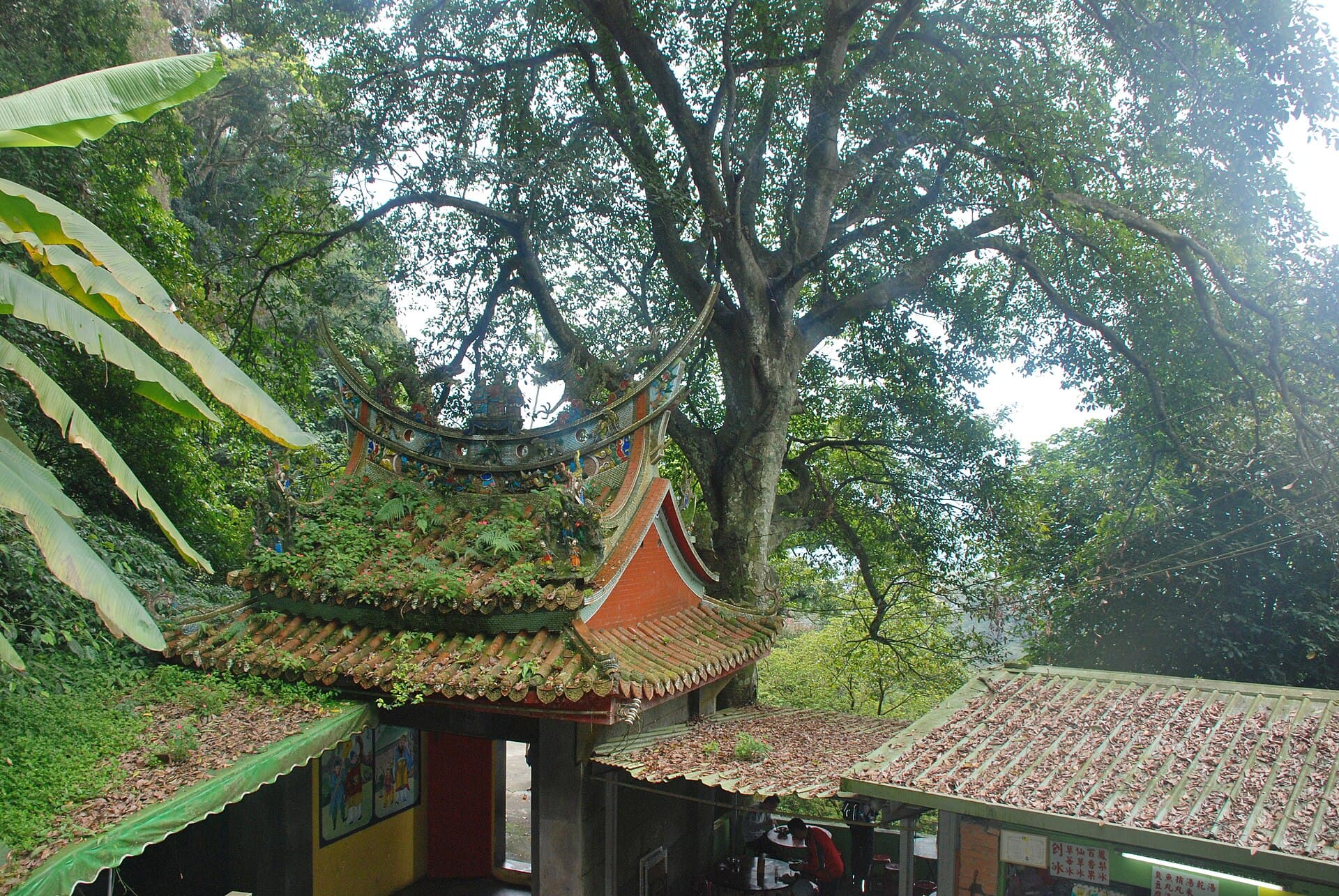
Lion's Head Mountain is located at the border of Nanzhuang Township in Miaoli County and Emei Township in Hsinchu County. The entire mountain range is verdant with layers of peaks, dotted with unique rock formations, possessing a beautiful and spiritual essence, transcendent and unworldly. There are currently eleven temples on the mountain, most of which are built into natural rock caves, nestled amidst green hills and lush trees, harmoniously scattered, creating an ethereal atmosphere. It is a renowned holy site in Taiwan for promoting Confucianism, Buddhism, and Taoism. Everywhere on Lion's Head Mountain, ancient trees reach the sky, their canopies shading the sun, temples are scattered gracefully, creating a tranquil ambiance. On holidays, stealing a half-day from busy life, or spending a night's rest, or a short vacation here, worshipping Buddha and meditating, the morning bells and evening drums cleanse away worldly dust and worries, making it a solemn and peaceful tourist destination. Lion's Head Mountain is one of Taiwan's twelve scenic spots, situated between Nanzhuang and Emei townships. South of the Lion's Head Mountain watershed, it falls under the jurisdiction of Nanzhuang Township, Miaoli County; north of the watershed, it belongs to Emei Township, Hsinchu County. The south side features towering, steep rocks, facing Elephant Trunk Mountain across the Sanwan River; to the north, rolling hills undulate, coiling between Liuliao in Tengping Village, resembling a crouching lion. During the Daoguang era of the Qing Dynasty, Li Shenyi, the Tongzhi of Tamsui, named it "Lion's Head Mountain" due to its shape. Lion's Head Mountain, with an elevation of 496 meters, is a standard hogback ridge. The mountain peak is often shrouded in mist and clouds, and the entire mountain range resembles a coiled dragon. Bamboo groves and various trees grow densely among the rocks. Stone steps wind through the dense, shaded forest, barely seeing daylight, making it cool even in summer. Halfway up the ridge, cliffs stand steeply, reaching dozens of ren. The Lion's Head Mountain trail, with Wangyue Pavilion serving as the boundary marker between Hsinchu and Miaoli counties, is divided into two parts: the front mountain in Nanzhuang Township and the back mountain in Emei Township. The front mountain section preserves over a thousand steps of complete stone-paved trail; the back mountain section has been entirely converted into a concrete trail, with only short sections of stone steps remaining in front of each temple. The terrain on the front mountain is steep and more challenging to traverse, while the back mountain has gentle slopes and is easier to walk. Before 1965 (Republic of China year 54), when visiting Lion's Head Mountain, the circular mountain road had not yet been built. Visitors had to ascend from the old trailhead, leading to Raoyi Temple, Lingta Pagoda, and Quanhuatang Temple. This stone-paved hiking trail has been popular for decades among those seeking serene beauty or physical exercise, with swaying bamboo, gurgling streams, and towering unique rocks. At a normal pace, it takes about twenty minutes to reach Quanhuatang Temple. Nowadays, most visitors park in the plaza below Quanhuatang Temple and begin their walk, passing through the Hexagonal Pavilion to Futian Temple, and then up to Quanhuatang Temple. Turning left at Daode Gate, one can reach Sarira Cave and Kaishan Temple, each a ten-minute walk round trip. If one continues straight uphill, passing a large rock face, it's a 600-meter climb to Wangyue Pavilion, taking about twenty minutes. The front mountain's stone-paved Zen trail is largely complete and easy to traverse, with only a very few sections awaiting renovation. From Wangyue Pavilion, the trail descends gradually for about three kilometers to the Lion's Tail trailhead, entirely consisting of concrete farm roads. Temples along the way include Shiyan Cave, Haihui Nunnery, Lingxia Cave, Jingang Temple, Wanfo Nunnery, and past the Lion's Tail trailhead to Fanyin Temple (Water Curtain Cave). Among these, Yuanguang Temple, built 107 years ago, is the oldest Buddhist temple in the Lion's Head Mountain area, followed by Quanhuatang Temple, built 101 years ago; both are deeply historically significant.
Discover the Context
No stories linked yet.
Happening at Lion's Head Mountain Ancient Trail
View CalendarNo upcoming events at this venue.