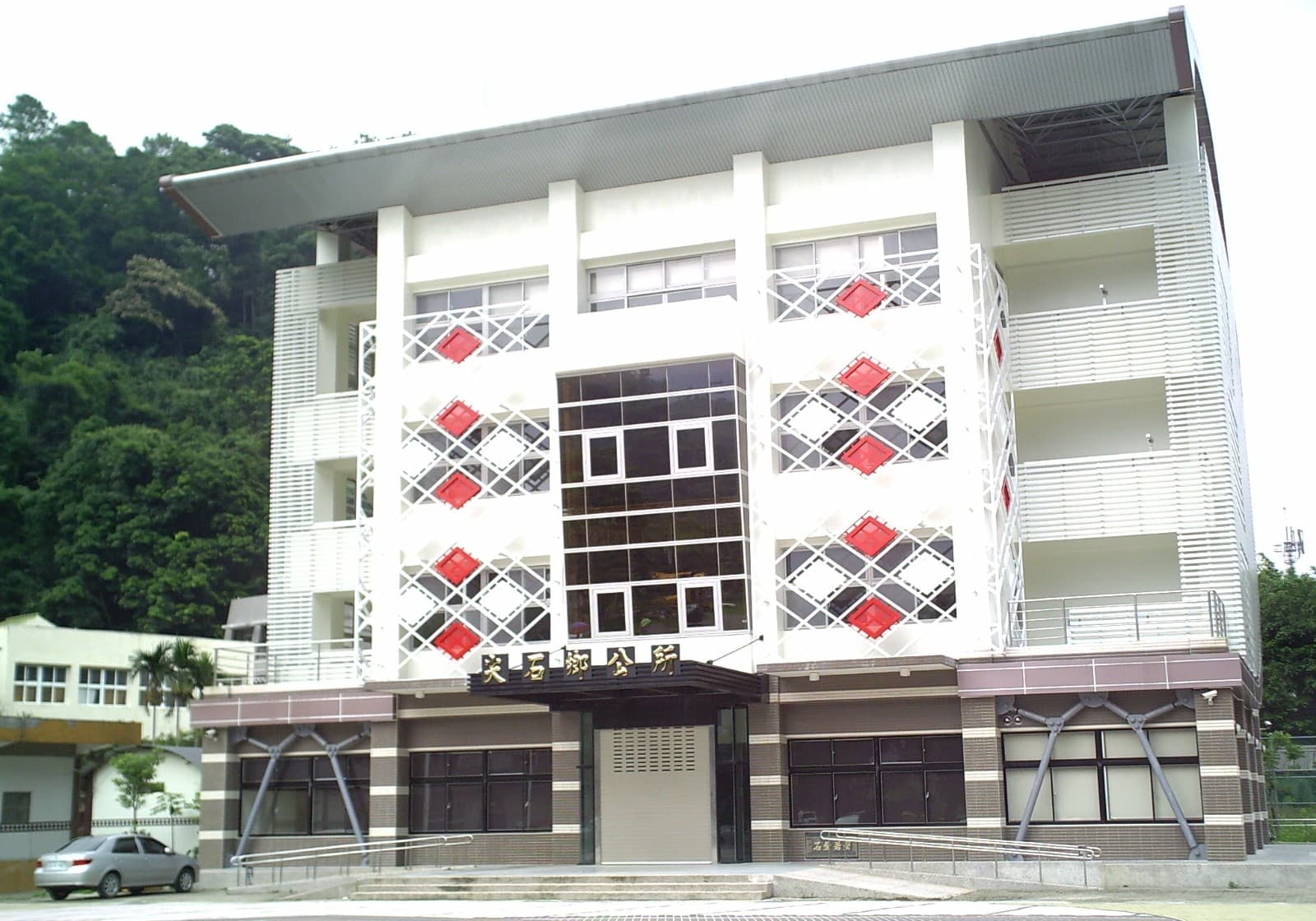
Jianshi Township Indigenous Culture Hall
Jianshi Township boasts a rich human history and culture. For those looking for a starting point to explore this vast area, the Jianshi Township Indigenous Culture Hall can serve as the first stop. Visitors can explore t…
Visitor Essentials
Jianshi Township boasts a rich human history and culture. For those looking for a starting point to explore this vast area, the Jianshi Township Indigenous Culture Hall can serve as the first stop. Visitors can explore the regularly exhibited artifacts, including traditional houses, farming tools, and clothing, to understand the Atayal people's past primary economic activities: farming and hunting, and the lifestyles that evolved from them. The hall also provides travel maps, guidebooks, and other materials for visitors to peruse. By observing the artifacts on display, visitors are transported through time, reliving the early lifestyles of the indigenous people. Among them, the 'Northwestern Multi-room Dwelling' house style was influenced by the local Hakka culture. Built with bamboo walls, its interior spaces were partitioned, leading to a more refined quality of life. The 'Stilted Watchtower House' (Galan-style) was developed because the entire area is mountainous. To maintain tribal security, this house type emphasized lookout functions. The space beneath could be used to raise poultry or as a gathering and fire-roasting area; the upper level offered views of cultivated fields and could store weapons or reconnaissance tools, acquiring defensive capabilities during the Japanese colonial period. Beyond architecture, another section of the culture hall displays hunting fish traps and traditional tools like pestles and mortars used for pounding millet. The fish traps are gourd-shaped and woven from Makino bamboo (Gui bamboo), a natural material abundant in Jianshi Township, using the twill weaving technique commonly employed by the Atayal people. These fish traps, combining waterproof and translucent features, are small, lightweight, and practical. They were the primary vessels used by ancestors to hold fish and shrimp caught in rivers and streams. Farming is also a crucial aspect of the Atayal people's livelihood. To pray for favorable weather, the 'Sowing Festival' is held before planting, usually from December to February of the following year, and the 'Harvest Festival' is celebrated during the harvest season in July and August. During these festivals, offerings typically include pickled meat, millet wine, millet ears, and pounded millet mochi, presented to the sky god (utux tmninun) and ancestral spirits (utux bnkis). Today, visitors can witness the process of making millet mochi with pestles and mortars in many indigenous tribal experience activities. Furthermore, the culture hall also exhibits Atayal 'shell-bead leg bells' recreated by professional weaving teachers, which are ornaments worn by the tribe members during festive occasions. These exquisite and eye-catching pieces feature woven bands adorned with tassel-like strings of pristine white beads. In line with the current trend of immersive experiences, the culture hall has also introduced VR multimedia hunting interactive game equipment. The game, themed around traditional Atayal hunting rituals, allows visitors to learn Atayal pronunciation of animal names, experience the ritual of drinking millet wine before hunting, and practice archery and hunting actions, thereby attracting visitors of all ages with its educational appeal.
Discover the Context
No stories linked yet.
Happening at Jianshi Township Indigenous Culture Hall
View CalendarNo upcoming events at this venue.