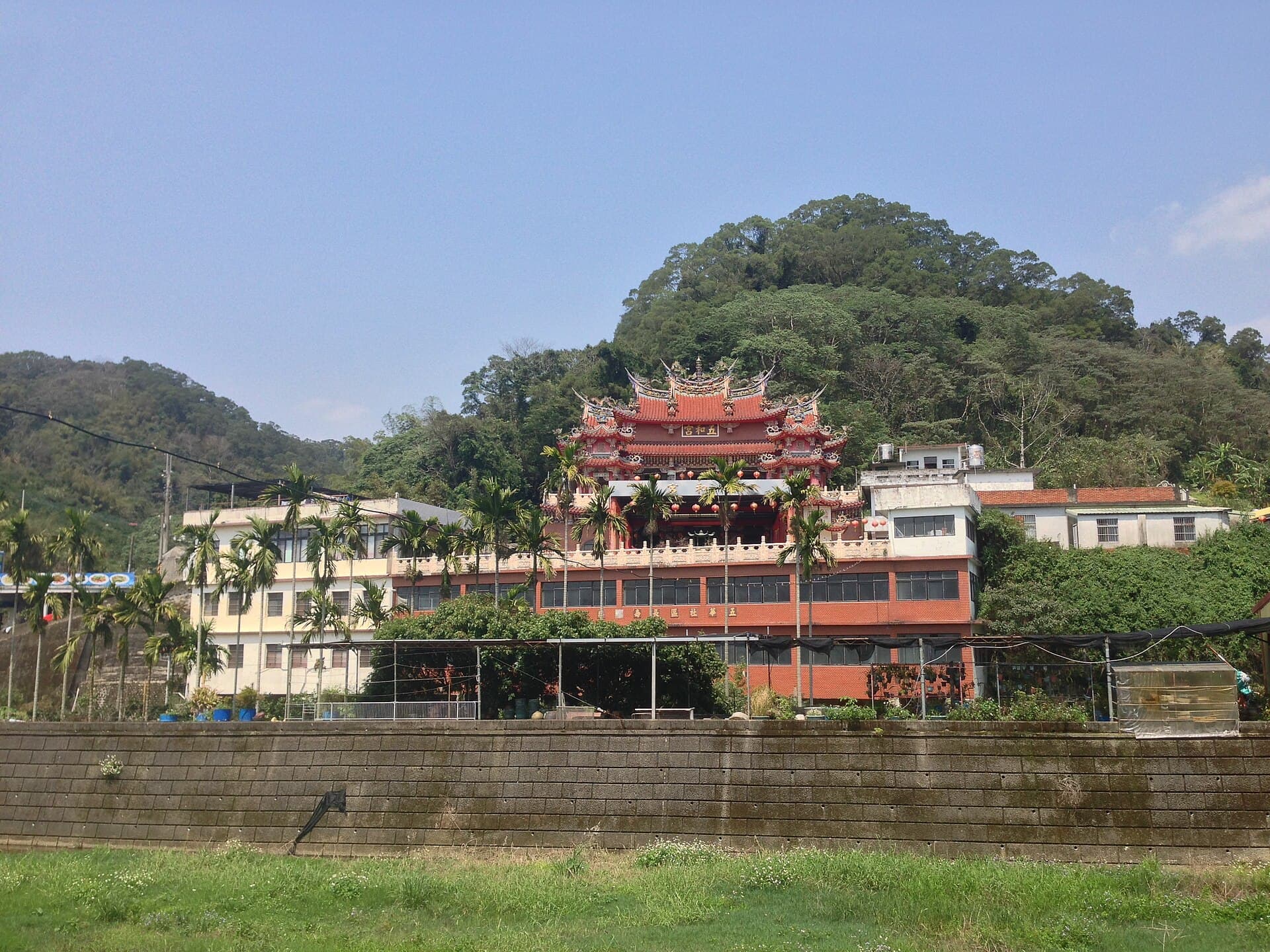
Qionglin Wuhe Temple
Built in the first year of Jiaqing (1796 AD), it primarily enshrines Mazu, the Heavenly Holy Mother, and boasts a history of over two hundred years! Wuhe Temple is currently located in Wulong Village, Qionglin Township.…
Visitor Essentials
Built in the first year of Jiaqing (1796 AD), it primarily enshrines Mazu, the Heavenly Holy Mother, and boasts a history of over two hundred years! Wuhe Temple is currently located in Wulong Village, Qionglin Township. It was named 'Wuhe Temple' because it serves as the sole guardian deity for the five major settlements of Luliaokeng, Shanzhuhu, Dadu, Hengshan, and Shakeng. During the Japanese colonial period, Wuhe Temple fell into disrepair over the years and was forced by the Japanese to temporarily move to a private residence for worship. In the 36th year of the Republic (1947), local gentry led by Qiu Aliang spearheaded its reconstruction and ceremoniously welcomed the deity back to the temple. In the 78th year of the Republic (1989), local devotees, recognizing that more than forty years had passed since the previous reconstruction, decided to demolish and rebuild it, appointing Lai Yuanzhang as the chairman of the reconstruction committee. In November of the same year, the new temple was completed. Adorned with carved dragons and painted beams, it was magnificent and became the grandest temple in the Wulong area. The 23rd day of the third lunar month each year marks the birthday of Mazu, the Heavenly Holy Mother, which is Wuhe Temple's most solemn day for worship and thanksgiving. Consequently, residents from the five major settlements of Luliaokeng, Shanzhuhu, Dadu, Hengshan, and Shakeng all gather here to hold grand celebrations.
Discover the Context
No stories linked yet.
Happening at Qionglin Wuhe Temple
View CalendarNo upcoming events at this venue.