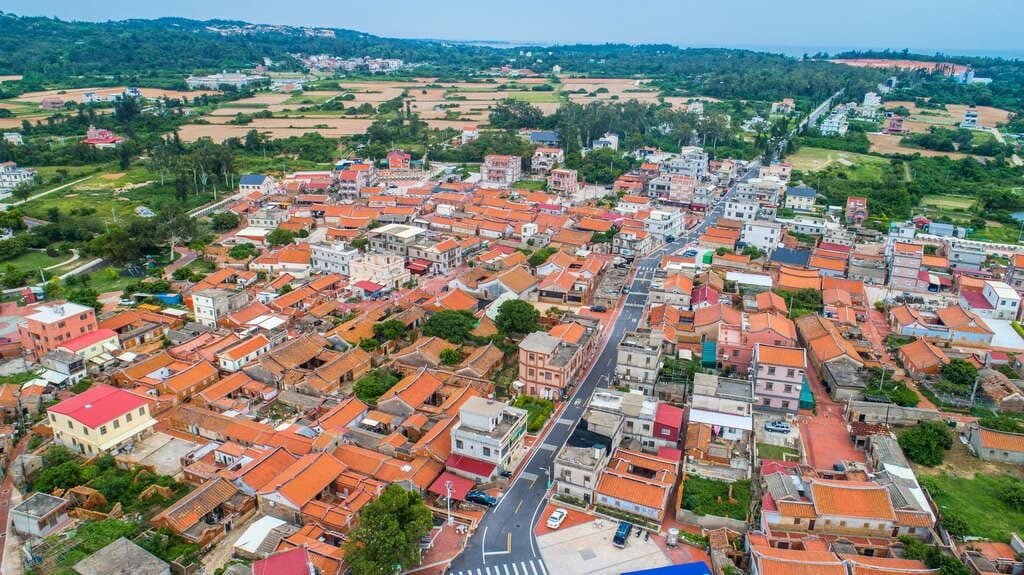
Qionglin Settlement
Qionglin, located in the central part of Kinmen Island, is primarily inhabited by people with the surname Cai. It is Kinmen's largest cluster of traditional ancient houses. In the past, due to its numerous talented indiv…
Visitor Essentials
Qionglin, located in the central part of Kinmen Island, is primarily inhabited by people with the surname Cai. It is Kinmen's largest cluster of traditional ancient houses. In the past, due to its numerous talented individuals who achieved brilliant success in official careers, Emperor Xizong of the Ming Dynasty bestowed the village with the name 'Qionglin'. At that time, an ancestral hall would be built whenever someone passed the imperial examination to become a *jinshi* (advanced scholar). Consequently, Qionglin boasts as many as six ancestral halls, large and small, earning it the moniker 'Seven Seats, Eight Shrines'. These include the Cai Family Ancestral Temple (Dazong), which has been designated a national historic site; the Ancestral Hall of the Sixth Generation, Zhuxi Gong; the Ancestral Hall of the Tenth Generation, Baiya Gong; the Ancestral Hall of the Sixth Generation, Lepu Gong, and the Tenth Generation, Tingfu Gong; the Ancestral Hall of the Sixth Generation, Qiantingfang; the Ancestral Hall of the Eleventh Generation, Rongsheng Gong; and the Ancestral Hall of the Sixteenth Generation, Cai Shouyu. It can be said to be the settlement with the most ancestral halls on Kinmen Island. Among them, the Cai Family Ancestral Temple serves as the spiritual center of the Qionglin Settlement and represents the glory of the Cai family, the settlement's dominant surname. The wind lion god (風獅爺) embedded in the back wall of the ancestral temple is a popular attraction for many visitors and has also been designated a historic site.
Discover the Context
No stories linked yet.
Happening at Qionglin Settlement
View CalendarNo upcoming events at this venue.