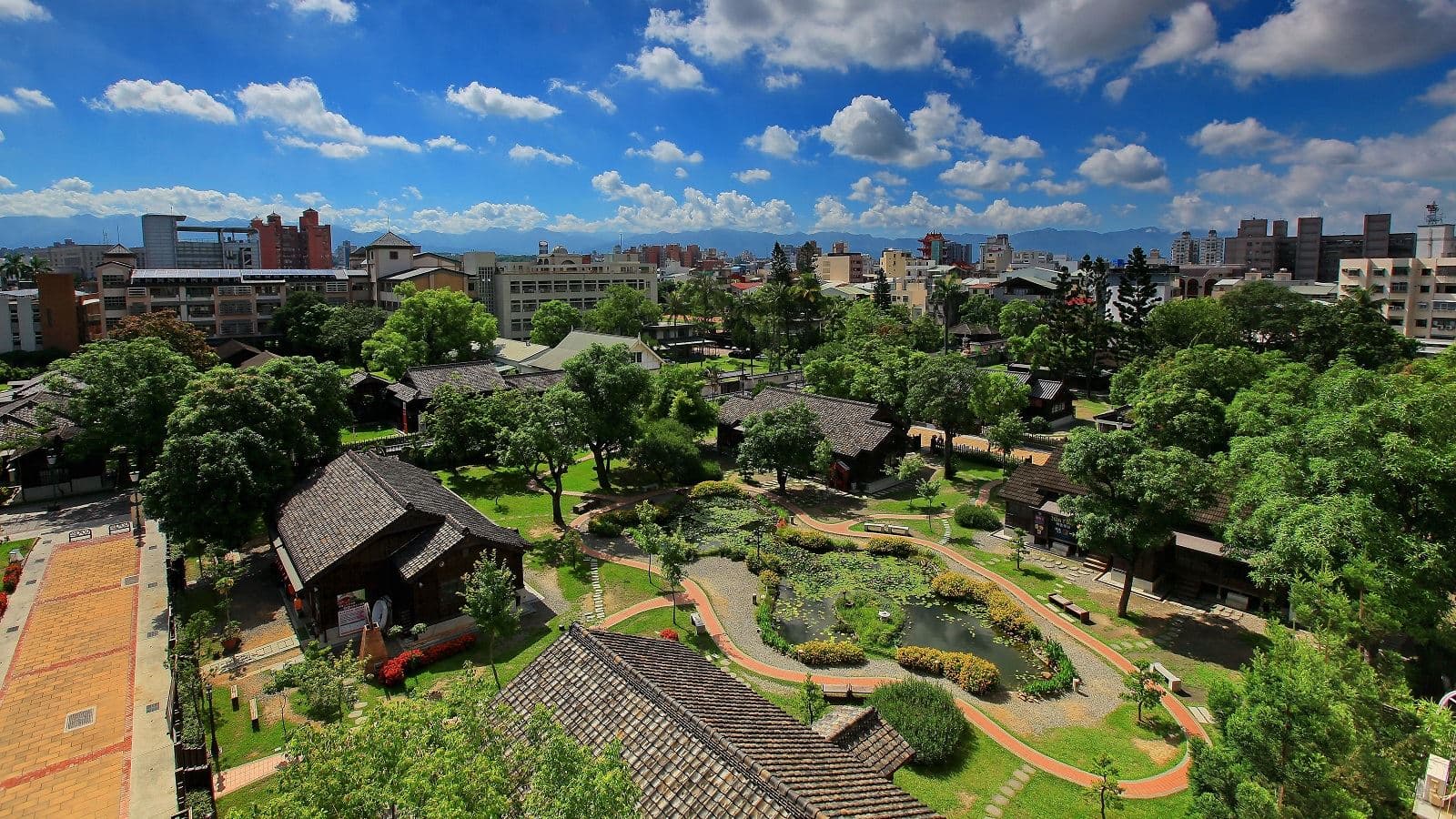
Alishan Forestry Village and Hinoki Village
Alishan forestry began in 1899. During the Japanese colonial period, the Alishan Forest Railway was constructed due to the rich cypress resources in the Alishan forest. Starting from Beimen in Chiayi City, the trade and…
Visitor Essentials
Alishan forestry began in 1899. During the Japanese colonial period, the Alishan Forest Railway was constructed due to the rich cypress resources in the Alishan forest. Starting from Beimen in Chiayi City, the trade and distribution of timber brought unprecedented prosperity to the city, leading to its recognition as one of Taiwan's four major cities at the time. In May 1906, the Japanese private company Fujita Gumi established the Chiayi Construction Office, initiating the construction of the Alishan Forest Railway. However, due to engineering difficulties and escalating costs, the project was suspended in February 1908. The Taiwan Governor-General's Office took over in 1910, continuing the construction of the Alishan Railway. By 1914, the main line of the Alishan Forest Railway, spanning 71.9 kilometers, was completed. The forestry management agency's building complex gradually expanded during this period, with structures such as the forestry office, forestry club, sawmills, and Southeast Asia's first thermal power plant being completed sequentially. Felled timber was transported via the Alishan Forest Railway to Chiayi's "Cedar Pond," which was then the largest timber storage pond in Southeast Asia. Thanks to the thriving forestry industry, Chiayi was known as the "Timber City" at that time. Today's Linsen Road was then called "Timber Street," and the surrounding area housing the forestry agencies was known as "Hinoki-cho." During those years, with the flourishing timber industry, the forestry agencies provided comprehensive production and living facilities, and a complete forestry village had already taken shape. In 1964 (the 53rd year of the Republic of China), the Alishan timber industry concluded, and Chiayi City's sawmill industry subsequently declined. These nearly century-old forestry assets bear witness to the rise and fall of Chiayi City's forestry development. Over time, they have acquired a profound charm, becoming invaluable forestry cultural assets. However, they are now at risk of dilapidation and require revitalization and renewal to restore their former splendor. The Forestry Club, the state-owned residential quarters for forestry bureau employees on Gonghe Road and Beimen Street in Chiayi City, and the former Chiayi Sawmill (now a bamboo craft processing factory) collectively bear witness to the history of Alishan timber exploitation. They were registered as Chiayi City historical buildings in 1998 and 2005, respectively.
Discover the Context
No stories linked yet.
Happening at Alishan Forestry Village and Hinoki Village
View CalendarNo upcoming events at this venue.